
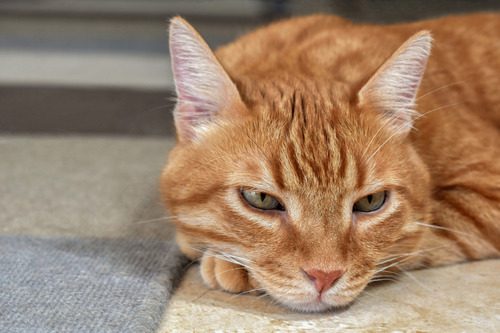
Indoor Enrichment: Keeping Pets Active and Entertained During Cold Winter Months
When temperatures drop and the snow piles up, pets tend to spend more time indoors—which often leads to restlessness. If you’ve ever dealt with a bored dog in winter or a cat climbing the curtains out of frustration, you’re not the only one. Cold weather can make outdoor walks and playtime less appealing, but mental…
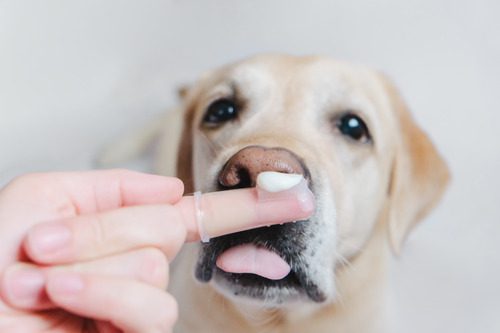
Why Pet Dental Health Matters: The Link Between Oral Care and Overall Well-Being
Proper dental care does more than freshen breath. For dogs and cats alike, oral health can impact everything from eating habits to organ function. While it’s easy to overlook pet dental care during routine visits, the condition of your pet’s teeth and gums offers a clear window into their overall health. Dental disease can progress…

Winter Allergies: How to Manage Dry Skin and Itchy Paws in Cold Weather
When temperatures drop, the dry air, cold surfaces, and indoor heating can start to take a toll—not just on us, but on our pets, too. Seasonal allergies in pets don’t just occur in spring or fall. Winter brings its own set of irritants that can lead to dry, flaky skin and itchy, inflamed paws. Many…
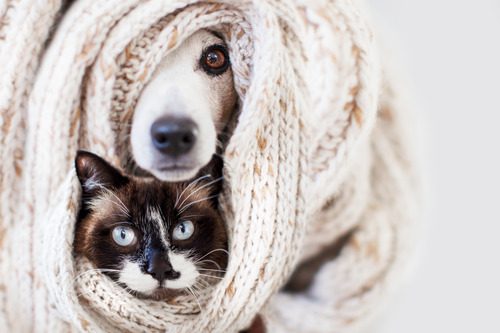
Storm Anxiety: Spring Thunderstorms and Pets – How to Reduce Stress and Fear
Spring brings longer days, blooming flowers—and sudden thunderstorms that can rattle even the calmest pets. Many dogs and cats experience storm-related anxiety, reacting to the sound of thunder, flashes of lightning, or changes in barometric pressure with fear-driven behavior. If your pet hides, trembles, vocalizes, or acts clingy during a storm, you’re not alone. This…

Parasite Prevention: Why Spring Means It’s Time to Restock on Flea, Tick, and Heartworm Protection
As temperatures rise in Granger and the days grow longer, spring brings more than blooming flowers and green grass—it also marks the start of peak season for pet parasites. Fleas, ticks, and mosquitoes thrive in warm weather, which means your pet’s risk of exposure increases dramatically this time of year. Staying ahead of parasite activity…
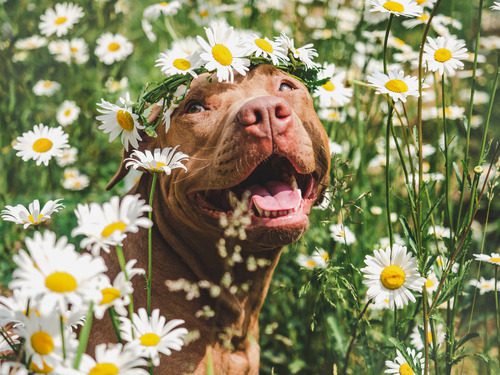
Garden Safety: Springtime Plants and Flowers That Are Toxic to Pets
As spring arrives in Granger and gardens come alive with fresh blooms, pet owners often feel inspired to spruce up their yards and bring flowers indoors. However, not all plants are pet-friendly. In fact, many common springtime plants can cause health issues if ingested by dogs or cats. With warmer weather encouraging pets to explore,…
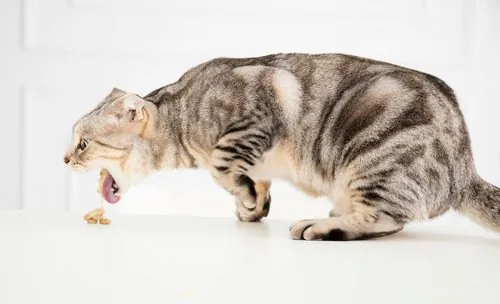
Is it Normal That My Cat Keeps Vomiting?
Watching your cat vomit repeatedly can be unsettling, especially when you’re not sure what’s causing it. Whether it’s the aftermath of a hasty meal or something more concerning, frequent vomiting isn’t something to overlook. It’s worth exploring the reasons behind this behavior and understanding when it’s time to consult with your veterinarian. Why Do…

8 Tips for Recognizing and Reacting to Bloat in Dogs
Bloat in dogs, also known as gastric dilatation-volvulus (GDV), is a serious and potentially life-threatening condition that can develop rapidly and requires immediate veterinary attention. As a pet owner, if you can recognize the early signs of bloat and know how to respond, it can make a critical difference in your dog’s health. At Kryder…
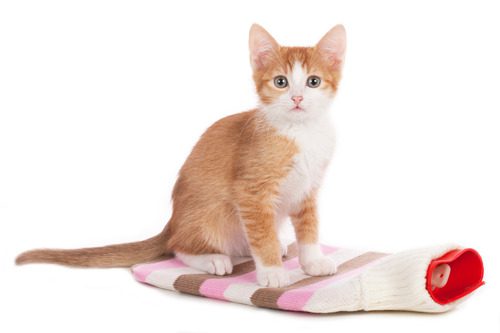
Cat Hypothermia: Causes, Signs and How to Help Your Pet
When temperatures drop, your cat may be more vulnerable to cold than you realize. While cats are known for their ability to adapt to various environments, they are not immune to the dangers of extreme cold. Hypothermia in cats is a serious condition that can occur when their body temperature drops below the normal range,…

Are Poinsettias Poisonous to Dogs?
The holiday season is a time for celebration, and decorating your home with colorful decorations and festive plants like poinsettias can enhance the holiday spirit. However, if you’re a dog owner, you should be aware of the potential dangers that come with popular holiday decorations. The vibrant red and green leaves of poinsettia plants are…