

Why Is My Cat Shivering? Common Causes and What It Means
A pet parent watching TV notices her cat’s back ripple with a fine tremor and immediately mutes the show. Should she be worried? Not necessarily. A single bout of cat shivering after a nap or a loud noise is often nothing more than a passing reflex, but repeated episodes, or trembling paired with hiding, vomiting,…
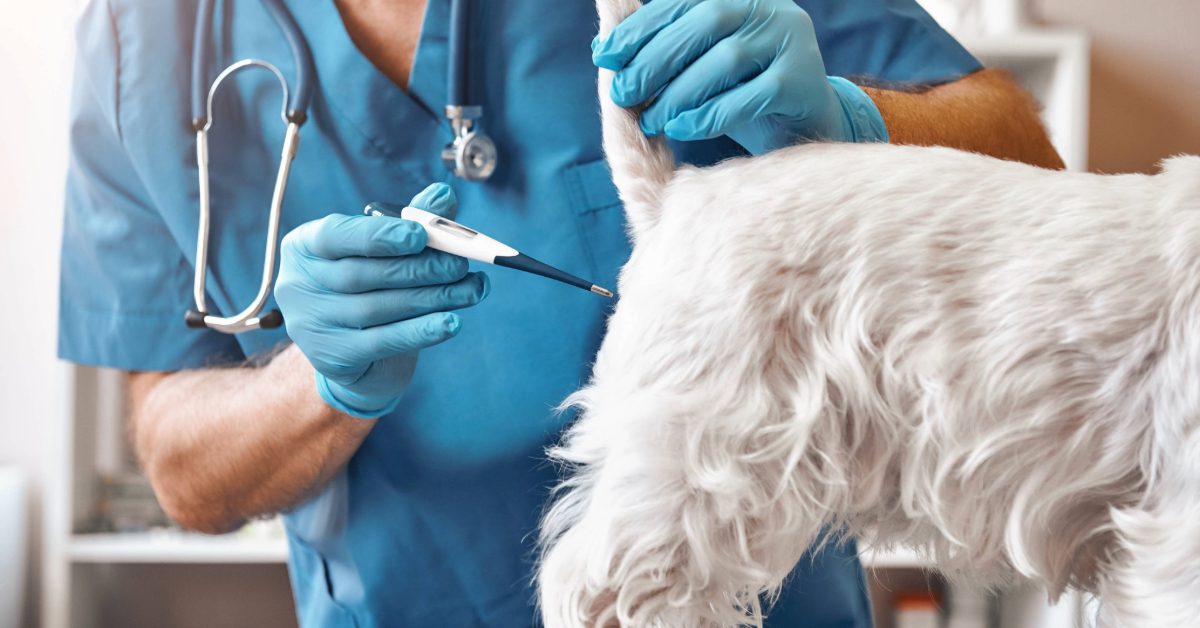
Fever in Dogs: How to Tell if Your Dog Has a Fever and What to Do
You can tell a dog has a fever by taking its temperature: a healthy dog runs about 101°F to 102.5°F, and a reading above 103°F counts as a fever. Warm ears, a hot nose, and a dull mood can hint at one, but those clues are unreliable on their own. Many dog owners have pressed…
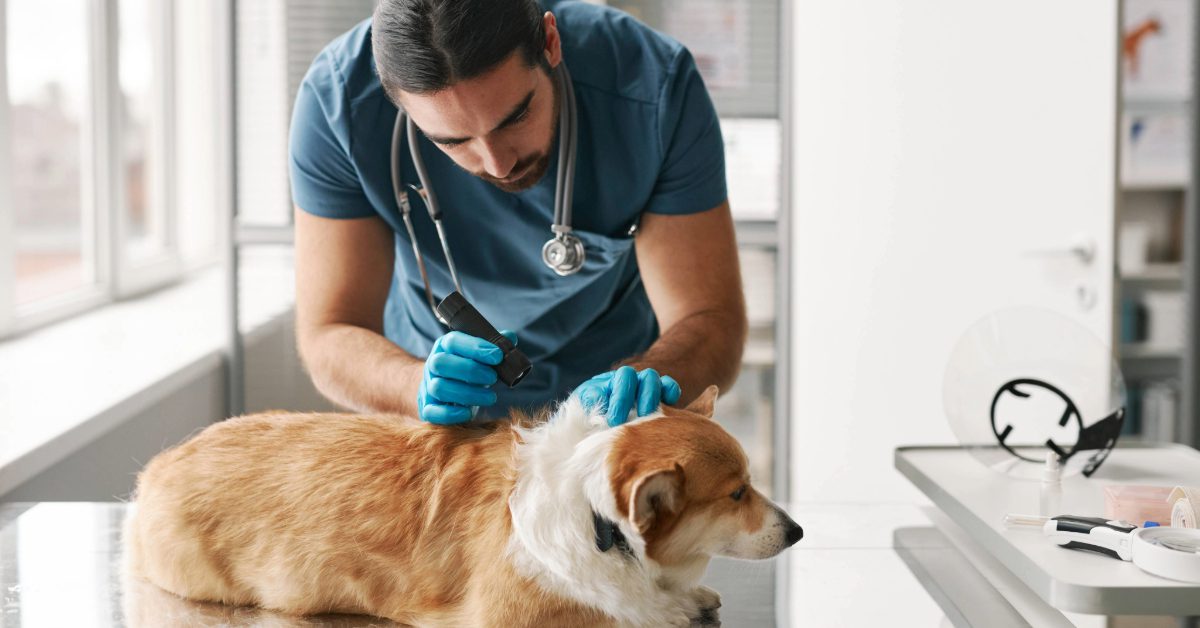
Can Dogs Get Hives? What Every Owner Should Know About Allergic Reactions
Yes, dogs can get hives, and the raised, itchy welts can appear within minutes or hours of exposure. The main cause of hives in dogs is an allergic reaction, most often to an insect sting, a food ingredient, a medication, a vaccine, or something in the environment. Most owners are startled the first time they…

Nasal Discharge in Cats: Is It a Cold, Allergy, or Respiratory Infection?
The best way to treat nasal discharge in cats is to have your veterinarian find the cause, because a runny nose can come from a virus, bacteria, allergies, or even a foreign object, and each one needs a different approach. Treating a cat at home without knowing the source can prolong the problem. Every cat…
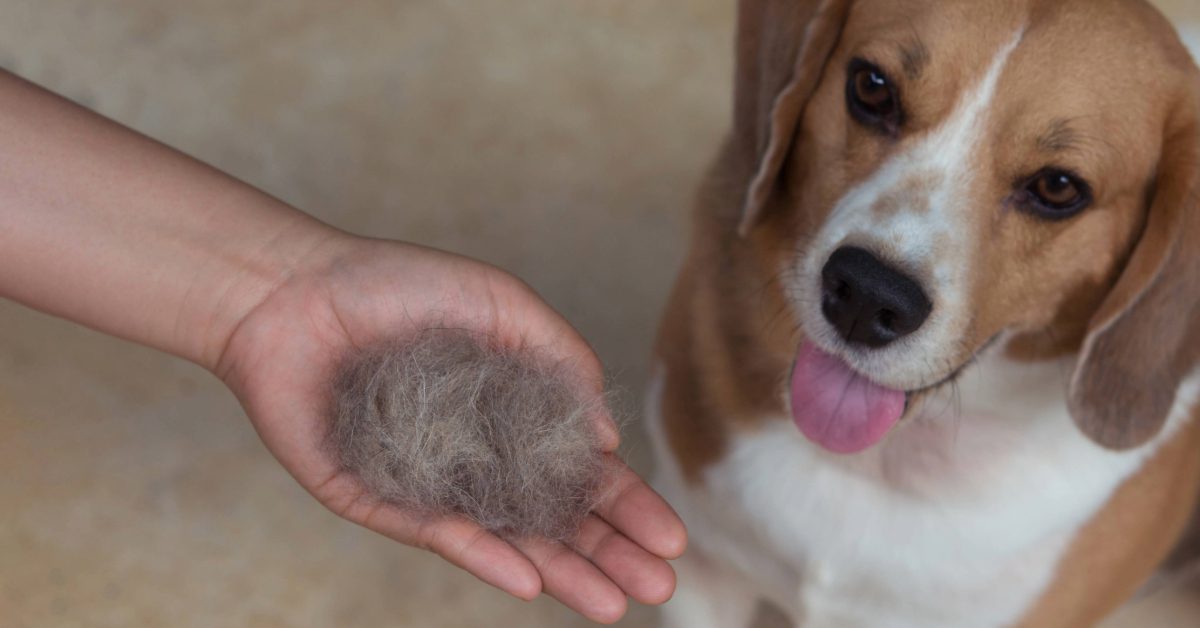
How to Prevent and Treat Hair Loss in Dogs: A Complete Pet Parent Guide
You should be concerned about hair loss in dogs when it is sudden, patchy, or symmetrical, or when it comes with itching, redness, sores, odor, or changes in energy or appetite. Normal shedding leaves a full coat behind, while true hair loss leaves thin spots or bare skin. Most pet parents have vacuumed up a…
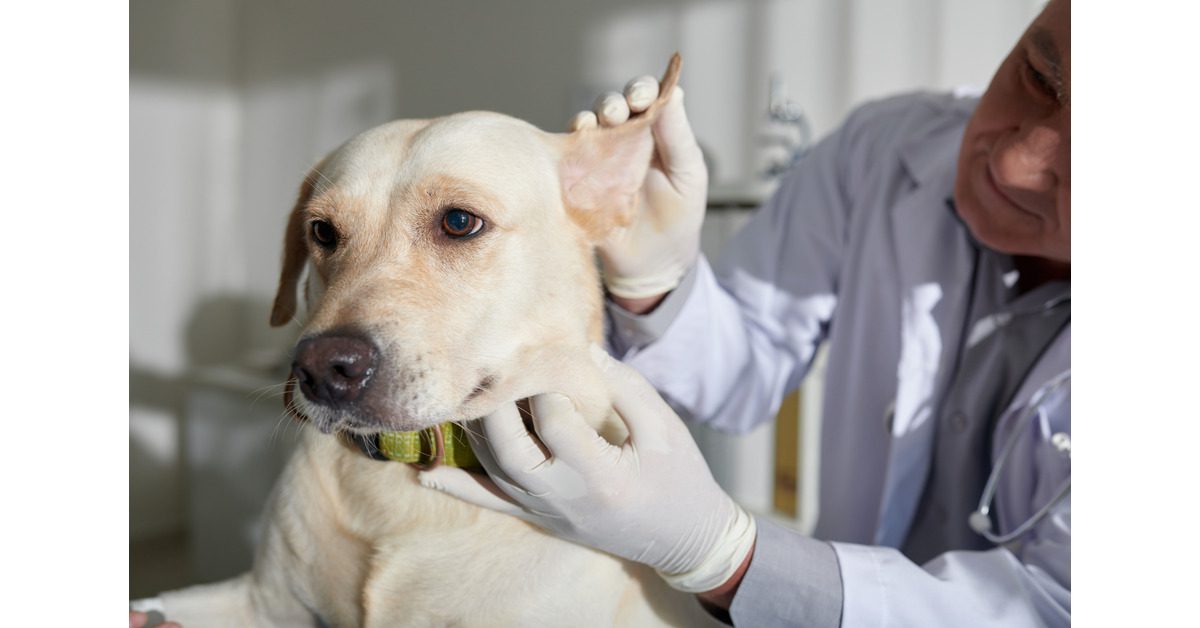
Why Are My Dog’s Ears Red? Causes, Symptoms, and Safe Treatments
The safest way to treat red dog ears is to have a veterinarian identify the cause first. Red dog ears can point to allergies, infection, ear mites, or something else entirely, and a treatment that helps one cause can make another worse. A proper exam matters more than any guess at home. If your dog’s ears…

Why Is My Dog Limping on Their Back Leg?
Watching your dog limp is never easy. Whether the limp came on suddenly after a run or has been slowly developing over time, a dog limping on back leg is always a sign that something needs attention. The causes range from a minor muscle strain to serious conditions like torn ligaments or hip dysplasia. Knowing…

How to Get Rid of Dog Tear Stains
If your dog has reddish-brown streaks below their eyes, you are dealing with one of the most common cosmetic concerns in dog ownership: dog tear stains. These stains are especially visible on light-coated breeds and can be stubborn to remove. Understanding what causes dog tear stains and how to address them effectively and safely requires…

5 Hypoallergenic Dog Breeds and How to Get Ready for Your New Allergy-Friendly Best Friend
If pet allergies have kept you from getting a dog, you may have heard that hypoallergenic dog breeds could be the solution. While no dog is 100% allergen-free, hypoallergenic dogs produce significantly fewer of the proteins, primarily found in dander, saliva, and urine, that trigger allergic reactions in sensitive people. For many allergy sufferers, choosing…

7 Tips for How to Brush Dog Teeth
Dental disease is the most common health problem in adult dogs and the good news is it is largely preventable. Learning how to brush dog teeth is one of the single most effective things you can do for your pet’s long-term health. Regular tooth brushing removes plaque before it hardens into tartar, preventing the gum…