

Why is a Dog’s Nose Wet?
You have probably noticed that your dog’s nose is almost always cool and moist to the touch and maybe wondered, “Why is a dog’s nose wet in the first place?” It turns out there are some genuinely fascinating reasons behind that perpetually damp snout. At Kryder + Harr Veterinary Clinic in Granger, IN, we love…
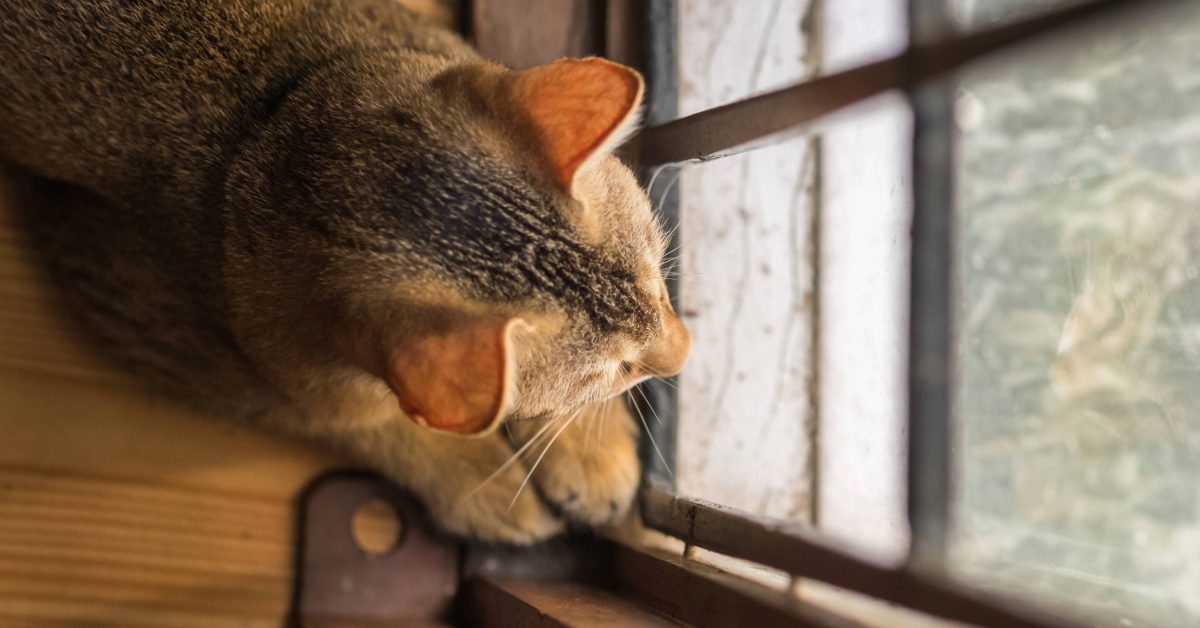
Does My Cat Have Separation Anxiety?
When most people think about separation anxiety in pets, dogs come to mind first. But cat separation anxiety is a real and increasingly recognized condition that affects many feline companions. If your cat is acting out when you leave, vocalizing excessively, or showing changes in behavior when you return home, your cat may be experiencing…
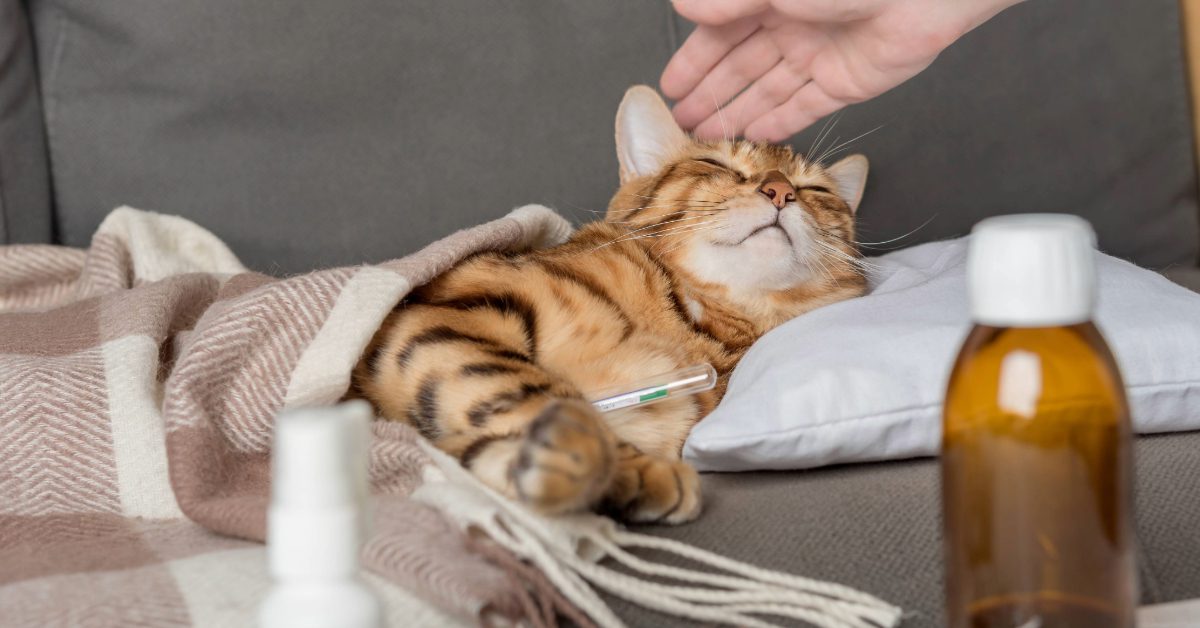
Cat Coughing: Common Causes, Symptoms, and When to Worry
If your cat is coughing, it can be alarming and for good reason. Cat coughing is not normal and is always worth paying attention to. While an occasional cough may be nothing more than your cat clearing a hairball, persistent or recurring cat coughing can signal something that needs veterinary attention. At Kryder + Harr…

Dealing with Eye Injuries in Pets: What You Need to Know
When a pet experiences an eye injury, the symptoms can appear suddenly—and often look more alarming than they are. From minor irritations to more serious trauma, a dog eye injury should never be ignored. Whether your pet comes in from the yard squinting or you notice unusual discharge or swelling, prompt attention can make all…

Seizures in Pets: What and What Not to Do
Watching a pet experience a seizure can be overwhelming. It’s a moment that often leaves pet owners feeling helpless, confused, and scared. Seizures in pets may last only a few seconds, but those moments can feel much longer when you’re unsure what’s happening or how to respond. This blog will walk you through what you…

Pancreatitis in Pets: Causes, Symptoms and Treatments
A diagnosis of pancreatitis in dogs or cats can come as a surprise to many pet owners, especially if the signs were subtle or mistaken for something else. This condition affects the pancreas, an organ responsible for producing enzymes that aid in digestion and hormones that regulate blood sugar. When the pancreas becomes inflamed, it…
Indoor Enrichment: Keeping Pets Active and Entertained During Cold Winter Months
When temperatures drop and the snow piles up, pets tend to spend more time indoors—which often leads to restlessness. If you’ve ever dealt with a bored dog in winter or a cat climbing the curtains out of frustration, you’re not the only one. Cold weather can make outdoor walks and playtime less appealing, but mental…
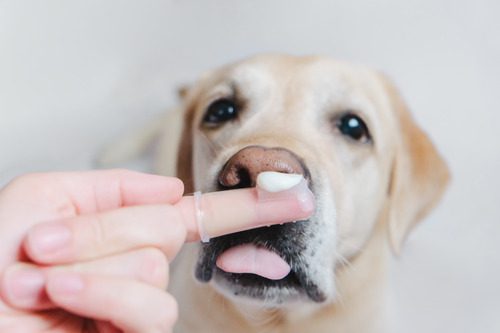
Why Pet Dental Health Matters: The Link Between Oral Care and Overall Well-Being
Proper dental care does more than freshen breath. For dogs and cats alike, oral health can impact everything from eating habits to organ function. While it’s easy to overlook pet dental care during routine visits, the condition of your pet’s teeth and gums offers a clear window into their overall health. Dental disease can progress…
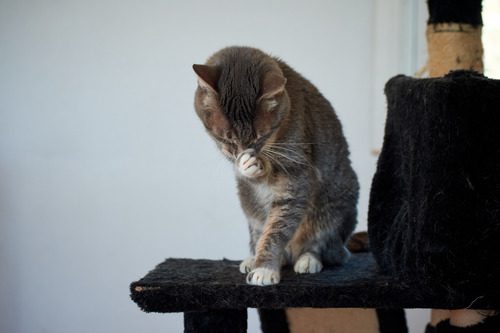
Winter Allergies: How to Manage Dry Skin and Itchy Paws in Cold Weather
When temperatures drop, the dry air, cold surfaces, and indoor heating can start to take a toll—not just on us, but on our pets, too. Seasonal allergies in pets don’t just occur in spring or fall. Winter brings its own set of irritants that can lead to dry, flaky skin and itchy, inflamed paws. Many…
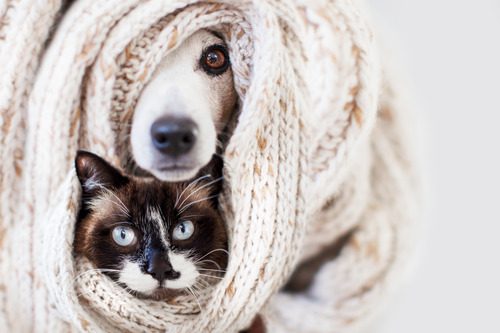
Storm Anxiety: Spring Thunderstorms and Pets – How to Reduce Stress and Fear
Spring brings longer days, blooming flowers—and sudden thunderstorms that can rattle even the calmest pets. Many dogs and cats experience storm-related anxiety, reacting to the sound of thunder, flashes of lightning, or changes in barometric pressure with fear-driven behavior. If your pet hides, trembles, vocalizes, or acts clingy during a storm, you’re not alone. This…