
Cat and dog vaccinations protect pets from serious illnesses they may encounter throughout their lives. But your pet does not necessarily need the exact same vaccination plan as the dog next door or the cat across town.
Our Granger, IN veterinarians create a customized vaccination protocol based on your pet’s age, health history, lifestyle, environment, and potential exposure risks. From a puppy or kitten’s first vaccine series to boosters for adult and senior pets, our veterinarians can help you determine which vaccines your pet needs and when they should receive them.
Is your pet due for vaccinations? Give us a call at (574) 277-6533 to schedule an appointment.
What Vaccines Do Dogs Need?
Dogs generally receive a combination of core vaccines, which are recommended for most or all dogs, and lifestyle vaccines, which may be recommended depending on their activities and exposure risks.
As recommended by the American Animal Hospital Association (AAHA), core vaccines for dogs include protection against:
- Rabies
- Canine distemper
- Canine adenovirus
- Canine parvovirus
- Leptospirosis
Several of these vaccines may be combined into a single injection, such as a DHPP or similar combination vaccine.

Which Lifestyle Vaccines Might My Dog Need?
Lifestyle vaccines give dogs added protection when their routines increase their chances of encountering certain infectious diseases. Your veterinarian will review these risks during your dog’s wellness visit rather than recommending the same vaccines for every patient.
Depending on your dog’s individual risk factors, we may discuss vaccines for:
- Bordetella (kennel cough)
- Canine influenza
- Lyme disease
Which Lifestyle Vaccines Might My Dog Need?
Lifestyle vaccines give dogs added protection when their routines increase their chances of encountering certain infectious diseases. Your veterinarian will review these risks during your dog’s wellness visit rather than recommending the same vaccines for every patient.
Depending on your dog’s individual risk factors, we may discuss vaccines for:
- Bordetella (kennel cough)
- Canine influenza
- Lyme disease
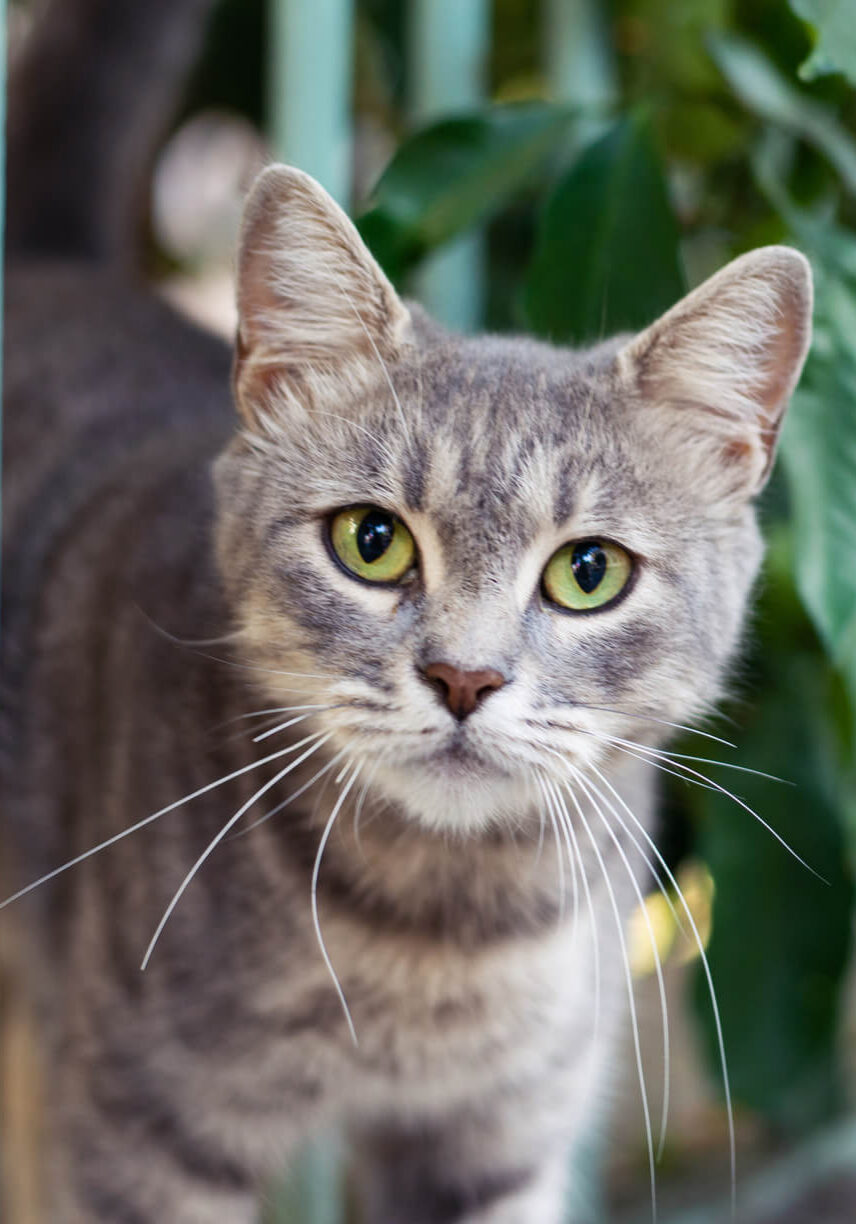
What Vaccines Do Cats Need?
Cats need vaccinations even when they spend most or all of their time indoors. Infectious diseases can enter the home in unexpected ways, and an indoor cat may escape, encounter another animal, or require boarding or veterinary hospitalization during their lifetime.
Core feline vaccines generally provide protection against:
- Rabies
- Feline viral rhinotracheitis/herpesvirus
- Calicivirus
- Panleukopenia
The rhinotracheitis, calicivirus, and panleukopenia vaccines are commonly combined into the FVRCP vaccine.
Vaccination for Feline Leukemia Virus (FeLV)
Feline leukemia virus vaccination is especially important for kittens and young cats. As cats reach adulthood, continued FeLV vaccination may depend on their lifestyle and exposure risk.
Cats that spend time outdoors or may encounter cats of unknown FeLV status can face greater exposure risk. We can help determine whether continued FeLV vaccination makes sense for your cat.
Does My Indoor Cat Still Need Vaccinations?
Yes. Indoor cats still need certain vaccinations.
Rabies vaccination is required for cats in Indiana beginning at 3 months of age. Core vaccinations also protect against diseases that can cause severe illness even when a cat does not routinely venture outdoors.
An indoor cat’s risk can also change unexpectedly. A cat may slip outside, come into contact with another animal, move into a multi-cat household, stay at a boarding facility, or require medical care where exposure to other animals is possible.
We will consider your cat’s actual lifestyle when recommending vaccines rather than assuming that every indoor cat has the same level of risk.
How Often Do Dogs and Cats Need Vaccines?
There is no single vaccination schedule that applies to every pet.
Some vaccines require annual boosters, while others may be administered less frequently after the initial vaccine series and booster schedule has been completed. The timing can also depend on your pet’s age, vaccine history, health, lifestyle, and the specific vaccine used.
We review your pet’s vaccination record during routine wellness visits and let you know which vaccines are currently due.
If you recently adopted a pet and do not have complete vaccination records, bring any paperwork you do have. Our veterinarians can determine an appropriate plan moving forward.
Powerful Protection Against Serious Diseases
Vaccination needs change as puppies and kittens grow into adults and as pets’ routines change over time. A dog that starts attending daycare or a formerly indoor cat that begins spending time outside may need different protection than they did previously.
Kryder & Harr Veterinary Clinic can review your pet’s vaccination history, discuss their current risk factors, and create a schedule that makes sense for their age and lifestyle.
Give us a call at (574) 277-6533 to schedule your pet’s vaccination appointment or ask when they’re due.
Frequently Asked Questions About Cat and Dog Vaccinations
Core vaccines are recommended because the diseases they protect against can cause severe illness and pose a meaningful risk to the dog population. Core vaccines for dogs include rabies, distemper, adenovirus, parvovirus, and leptospirosis. Your veterinarian may recommend additional vaccines based on lifestyle and exposure.
Core feline vaccinations generally protect against rabies, feline herpesvirus/rhinotracheitis, calicivirus, and panleukopenia. FeLV vaccination is also considered core for kittens and young cats, with continued vaccination for adults based on individual risk.
Yes. Indiana requires dogs and cats 3 months of age and older to have a current rabies vaccination. The required revaccination schedule depends on the vaccine used.
Maybe not. Bordetella vaccination recommendations depend on exposure risk. Dogs that attend daycare, grooming facilities, training classes, dog parks, boarding facilities, or frequently interact with other dogs may benefit from vaccination. We can help assess your dog’s routine.
Yes. Indiana requires cats 3 months and older to maintain a current rabies vaccination, including indoor cats.
Being overdue does not necessarily mean you have to restart every vaccine series. The appropriate next step depends on the vaccine, how long it has been since the previous dose, your pet’s age, and their vaccination history. Schedule an appointment by calling us at (574) 277-6533 so we can review their records and recommend the appropriate boosters.
Many healthy pets can safely receive more than one recommended vaccine during the same appointment. Your veterinarian will consider your pet’s age, health, vaccination history, and previous reactions when developing the plan.
Yes. While core vaccines are broadly recommended, other vaccine decisions depend on factors such as boarding, daycare, travel, outdoor activity, wildlife exposure, tick exposure, and contact with other animals. We build recommendations around your individual pet rather than using one standard vaccine plan for everyone.