
When temperatures drop, the dry air, cold surfaces, and indoor heating can start to take a toll—not just on us, but on our pets, too. Seasonal allergies in pets don’t just occur in spring or fall. Winter brings its own set of irritants that can lead to dry, flaky skin and itchy, inflamed paws. Many pets experience discomfort throughout the colder months, often leaving their owners wondering what’s causing the scratching, licking, or redness. If your pet seems more irritated than usual this season, winter-related pet allergies might be the reason. In this blog, we’ll explore what triggers these reactions, how to recognize the signs, and what steps you can take to help your pet feel more comfortable throughout the coldest time of year.
What Causes Pet Allergies in the Winter?
Even though pollen and outdoor allergens decrease in winter, other irritants emerge—especially indoors. Pet allergies during the colder months often stem from environmental factors and lifestyle changes that are unique to this season.
Dry Indoor Air and Skin Irritation
Heating systems may make our homes cozy, but they also lower humidity levels. Dry air leads to moisture loss in the skin, which can cause pets to itch, flake, or lick themselves excessively. Without natural humidity, your pet’s skin barrier can become compromised and more reactive to allergens.
Increased Time Indoors
Spending more time inside means greater exposure to indoor allergens like dust mites, mold, and synthetic materials. Many pets lie on rugs or beds made from fabrics that may trap allergens and irritants. In multi-pet households, more close contact indoors can also expose pets to dander from each other, which may worsen symptoms.
Salts and De-icing Chemicals
Salt and ice-melt products used on sidewalks and driveways often irritate your pet’s paws. These chemicals can stick to paw pads, leading to redness, inflammation, and even small abrasions. Pets may then lick their paws to relieve discomfort, which introduces another set of allergens into their system.
What Are Some Common Symptoms of Winter Pet Allergies?
Identifying winter allergies in pets begins with recognizing the signs. Since symptoms may be mistaken for other conditions, it helps to pay attention to patterns, especially if they appear seasonally.
Itchy, Red, or Inflamed Paws
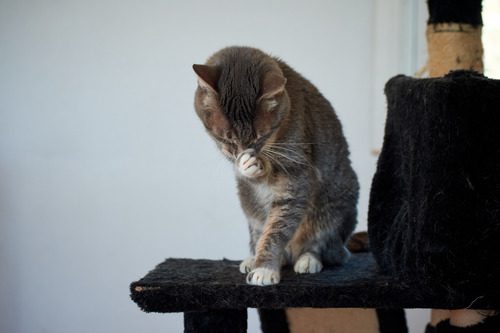
Licking or chewing the feet is one of the most common signs of irritation. Look for redness between the toes, inflamed paw pads, or hair discoloration from constant licking.
Dry, Flaky Skin
A pet’s coat may look dull or flaky when their skin is dehydrated. Flaking can show up as dandruff or scaling, particularly along the back, legs, or belly.
Excessive Licking or Scratching
Persistent licking, scratching, or rubbing against furniture may signal that your pet is uncomfortable. These behaviors can become compulsive if left unaddressed.
Secondary Infections
Open sores or persistent redness may develop if your pet’s skin remains inflamed. Continuous irritation increases the risk of infection, especially on the paws, ears, and belly.
How Cold Weather Affects Your Pet’s Skin and Paws
Cold weather can damage your pet’s skin and paw health in several ways, even if you’re only outside briefly. The combination of moisture, freezing temperatures, and contact with irritating substances leads to recurring problems throughout the winter.
Temperature Extremes and Exposure
Walking from heated environments into freezing temperatures can shock your pet’s skin. Snow and icy surfaces further stress exposed paws and create cracks or dryness.
Humidity Imbalance
When humidity levels drop, your pet’s skin doesn’t retain moisture well. This leads to itching and increased sensitivity, which is often confused with food allergies or parasites.
Loss of Protective Oils
Frequent bathing or contact with ice-melting agents can strip natural oils from your pet’s coat and skin. Once this barrier is weakened, allergens penetrate more easily.
Reducing Pet Allergies During Winter
While you can’t eliminate every environmental factor, you can take steps to minimize their impact. Small changes around your home and during outdoor activities may help improve your pet’s comfort.
- Moisturize the Air: Using a humidifier helps maintain moisture in the air. Placing one in areas where your pet spends most of their time can reduce dry skin and irritation.
- Wipe Paws After Walks: Always clean your pet’s paws after they’ve been outside, especially if sidewalks have been salted. Use pet-safe wipes or a damp cloth to remove debris and chemicals.
- Wash Bedding Regularly: Allergens and dander collect on blankets, beds, and rugs. Wash your pet’s bedding in fragrance-free detergent and vacuum your home frequently to reduce exposure.
- Stick to Short Walks During Harsh Weather: Limit outdoor time when temperatures drop significantly. Stick to dry areas or grass where ice-melt products haven’t been used.
How Veterinary Care Can Help Manage Pet Allergies
Veterinary support can make a significant difference for pets experiencing seasonal allergies. If you’ve noticed recurring skin issues or changes in your pet’s behavior during winter, it’s a good idea to reach out to your vet.
Professional Evaluation
Veterinarians can rule out other causes of skin irritation, such as parasites, infections, or nutritional deficiencies. A clear diagnosis helps guide the most effective treatment plan.
Allergy Management Plans
Depending on your pet’s specific needs, your vet may suggest a combination of environmental adjustments and regular checkups to monitor symptoms throughout the season.
Ongoing Support
Managing pet allergies often requires consistency. Your veterinarian can recommend a seasonal care routine tailored to your pet’s age, breed, and lifestyle.
When to Schedule an Appointment at Kryder + Harr
If your pet’s symptoms have become a regular issue every winter, or if scratching and paw licking are disrupting their daily routine, it’s time to bring them in. The team at Kryder + Harr Veterinary Clinic in Granger, IN can help identify what’s behind your pet’s discomfort and offer solutions that work for your household. Seasonal allergies don’t have to limit your pet’s comfort. Booking a visit is the first step toward finding relief. Call us at (574) 277-6533 today to get ahead of winter-related pet allergies and help your pet feel their best.

Recent Posts
About Us
Welcome to Kryder & Harr Veterinary Clinic! Our animal hospital has been a fixture in the Granger community since 1981, practicing full-service veterinary medicine for all our pet parents and their furry family members. At KHVC, we pride ourselves on our history, of providing excellent customer service for our clients, along with dedicated, compassionate, and exceptional medical care for all of our patients.