
How Can You Tell Whether Your Pet Needs a Teeth Cleaning?
Almost all pets — up to 90% — have some level of dental disease within just a few short years of life. Bad breath, yellow or brown tartar buildup, red gums, drooling, and changes in chewing can signal that your pet is experiencing dental problems. Some pets continue eating despite mouth pain, so an exam can reveal concerns you haven’t noticed at home.
Your pet’s age also helps guide what we look for during their dental evaluation.
Puppies and kittens need oral exams as their teeth and jaws develop, but they don’t automatically need professional teeth cleaning. We check for retained baby teeth, bite problems, gum inflammation, and other concerns that may need treatment. Let us know if your young pet has persistent bad breath, difficulty eating, or teeth that appear crowded.
Plaque and tartar can accumulate as pets grow older. Adult dogs and cats may need professional cleaning when an exam reveals buildup, gum inflammation, or signs of periodontal disease, which affects the tissues supporting the teeth.
Watch for changes such as:
- Persistent bad breath
- Red, swollen, or bleeding gums
- Dropping food or chewing on one side
- Pawing at the mouth
- Less interest in food or chew toys
Senior pets may develop more advanced dental disease or have existing conditions that affect their care. Changes in eating habits, weight, grooming, or behavior deserve attention rather than being attributed to age alone. We evaluate your senior pet’s mouth and health before recommending a dental procedure.

What Are the Benefits of Teeth Cleaning for Dogs and Cats?
Professional dental cleaning removes plaque and hardened tartar, including buildup beneath the gumline that home care cannot reach. It also allows a detailed examination of your pet’s teeth and gums under anesthesia.
Cleaning and any necessary dental treatment can help:
- Reduce gum inflammation
- Address sources of bad breath
- Identify damaged teeth and other painful problems
- Help protect the tissues that support the teeth
- Support more comfortable eating and daily activity
Cleaning alone cannot resolve every dental problem. If we identify concerns that need additional treatment, we’ll discuss our recommendations with you.
What Happens Before, During, and After a Pet Teeth Cleaning?
Knowing what to expect can make planning your pet’s appointment easier. We’ll explain the recommended procedure, provide an estimate, and review preparation and recovery instructions.
Before Your Pet’s Teeth Cleaning
We start with an exam to assess your pet’s mouth and discuss their health history. Your veterinarian will recommend any appropriate preanesthetic testing.
Our team will provide instructions about food, water, and medications before the procedure. Follow your pet’s individual instructions, and contact us if anything is unclear.
Please plan to remain reachable by phone on the day of your pet’s appointment. If we find a problem during the anesthetized examination, we may need to discuss additional treatment with you.
During Your Pet’s Teeth Cleaning
Once your pet is under anesthesia, the dental team can examine their mouth more closely, assess the gums, and clean the teeth above and below the gumline. Polishing helps smooth the tooth surfaces after scaling.
The findings determine whether your pet needs care beyond cleaning. Dental X-rays may also be recommended to evaluate structures beneath the gums.
How Long Does Dog or Cat Teeth Cleaning Take?
The time depends on the amount of buildup, the condition of your pet’s mouth, and whether additional treatment is needed. A cleaning appointment also includes preparation, anesthesia, and monitored recovery, so the total time at the clinic is longer than the cleaning itself. We’ll discuss the expected timing for your pet and let you know when they’re ready to go home.
After Your Pet’s Teeth Cleaning
We’ll review the procedure findings and explain your pet’s recovery instructions before discharge. These may include guidance about feeding, activity, medications, and when to resume home dental care.
Some pets feel sleepy after anesthesia. If your pet needs extractions or other treatment, their recovery instructions may differ from those for a cleaning alone. Contact us if their recovery doesn’t match what we discussed or you have concerns.
How Can You Maintain Your Pet’s Teeth Between Professional Cleanings?
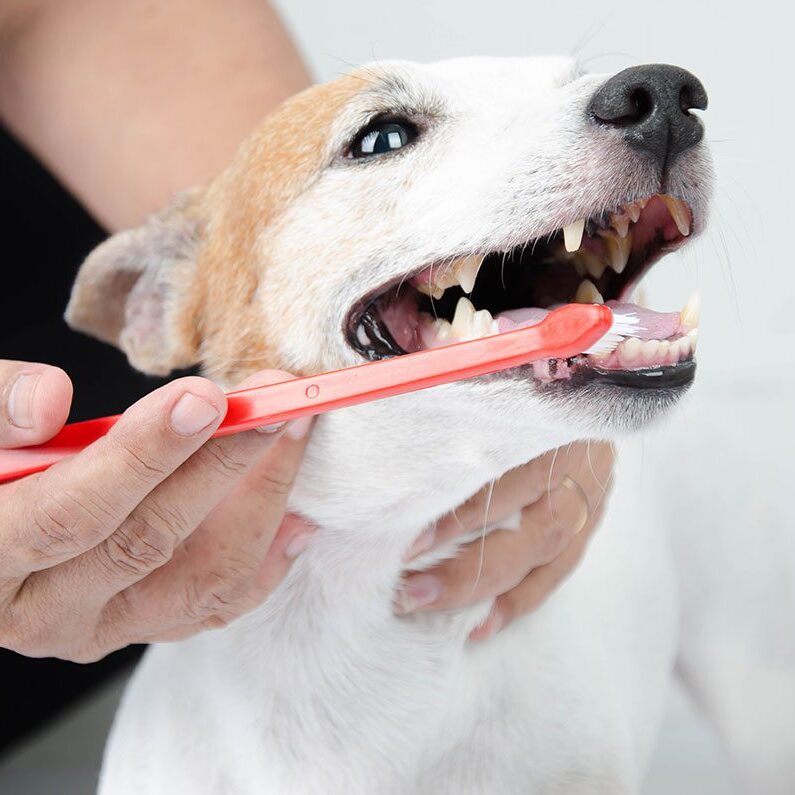
Home dental care helps limit new plaque buildup after a professional cleaning. It supports ongoing oral health, but it does not remove hardened tartar or replace veterinary dental exams.
Ask our team about a routine suited to your pet’s mouth, comfort, and willingness to participate. We can discuss toothbrushing with pet toothpaste and appropriate dental products, including options accepted by the Veterinary Oral Health Council.
If your pet has sore gums, resists having their mouth handled, or recently received dental treatment, speak with us before starting or resuming a routine.
Let’s Talk About Your Pet’s Dental Health
Whether you’ve noticed bad breath or want to check on your pet’s teeth, we can help you decide what comes next. Call Kryder & Harr Veterinary Clinic at (574) 277-6533 to arrange a dental exam and discuss a care plan for your dog or cat.
Frequently Asked Questions About Dog and Cat Teeth Cleaning
Dog teeth cleaning costs depend on your dog’s dental health, recommended testing, anesthesia needs, and any additional treatment. After examining your dog, we’ll provide an estimate for the recommended procedure. Call our team to schedule an evaluation.
Cat teeth cleaning costs vary based on your cat’s health and the condition of their teeth and gums. Testing, diagnostic imaging, and treatment beyond cleaning can affect the total. We’ll discuss our recommendations and provide an estimate before the procedure.
Your dog’s veterinarian should recommend a cleaning schedule based on dental exam findings, previous dental problems, and home care. Some dogs need cleanings more frequently than others. Regular oral exams help us determine when another professional cleaning is appropriate.
Your cat may need professional teeth cleaning if an exam reveals tartar buildup, gum inflammation, or other signs of dental disease. Cats can hide discomfort and continue eating with painful teeth, so normal eating habits don’t rule out a problem. A dental exam helps us determine whether your cat needs cleaning or additional treatment.