
If you have a cat, you have almost certainly experienced it: that rhythmic, alternating pushing motion your cat makes with their front paws, often accompanied by purring and a blissful look on their face. Why do cats knead? It is one of the most charming and distinctly feline behaviors, and it actually has several fascinating explanations rooted in biology, emotion, and instinct. At Kryder + Harr Veterinary Clinic in Granger, IN, we love helping pet owners understand the rich inner world of their cats.
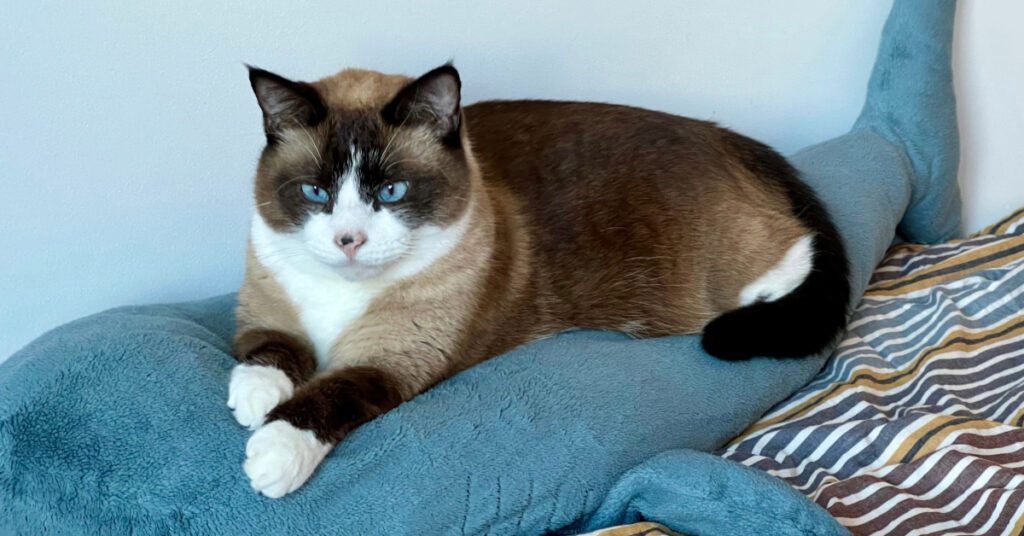
What Is Cat Kneading?
Cat kneading, affectionately nicknamed “making biscuits” because of its resemblance to kneading dough, is the repetitive motion where a cat alternately pushes one paw, then the other, into a soft surface. This might be your lap, a blanket, a pillow, or a soft piece of furniture. Cats may extend their claws while kneading, and many cats purr during the behavior. Both male and female cats knead, and it is seen across all breeds and ages, from kittens to senior cats.
Why Do Cats Knead? The Top Explanations
If you’re wondering, “Why do cats knead?”, there are a variety of potential reasons for this particular behavior. Below are the most common explanations for kneading in cats.
Instinct from Kittenhood
The most widely accepted explanation for why cats knead goes back to kittenhood. Newborn kittens knead their mother’s belly while nursing to stimulate milk flow. This kneading motion is hardwired as an instinctive, comforting behavior from the very beginning of life. Even though adult cats no longer nurse, the motion is associated with warmth, food, safety, and comfort and these positive associations remain throughout a cat’s life. When an adult cat kneads, they are in a sense expressing the same deep contentment they felt as a nursing kitten.
Marking Territory
Cats have scent glands in the soft pads of their paws. When they knead a surface, they are depositing their scent on it, marking it as familiar, safe, and theirs. This territorial marking behavior is a normal part of feline communication. When your cat kneads you, they are not just showing affection. They are also marking you as part of their territory and social group.
Comfort and Self-Soothing
Kneading is a self-soothing behavior for cats. You will often notice cats knead when they are settling in for sleep, relaxing after a stressful event, or simply in a particularly content mood. The rhythmic motion has a calming, almost meditative quality. Some cats knead when they feel anxious or unsettled, using it as a way to regulate their emotional state, similar to how humans might fidget or engage in a repetitive, calming motion.
Nesting Behavior
In wild cats and in domestic cats’ instinctive repertoire, kneading soft surfaces before lying down serves a nesting purpose; patting down grass, leaves, or other material to create a comfortable resting spot or a safe place for kittens. Your cat kneading your blanket before settling in is an expression of this ancient instinct.
A Sign of Affection and Trust
When a cat kneads their owner, it is a meaningful expression of trust and affection. Because kneading is rooted in the safety and comfort of early life, a cat that kneads you is communicating that you make them feel secure. Being chosen as a kneading surface is, in its own feline way, quite a compliment.
Is Cat Kneading Always Normal?
In most cases, cat kneading is entirely normal and healthy. However, excessive, compulsive kneading, particularly if accompanied by sucking or chewing on fabric, can occasionally indicate anxiety, stress, or a condition called wool sucking or pica. This behavior is more common in cats weaned too early, as nursing provides both nutrition and comfort. If your cat’s kneading seems compulsive or is accompanied by other anxious behaviors, mention it to your veterinarian.
Does It Mean Something If My Cat Doesn’t Knead?
Not all cats are kneaders, and that is completely fine. Some cats simply express contentment and affection in other ways like slow blinking, head bunting, or following their owners from room to room. The absence of kneading is not a sign of a problem or a lack of attachment. Every cat has their own personality and communication style.
What to Do If Kneading Becomes Uncomfortable
While cat kneading is a sign of love, those extended claws can be painful. Here are a few ways to manage it:
- Keep your cat’s nails trimmed regularly. Kryder + Harr Veterinary Clinic can help with nail trims at wellness visits.
- Place a thick blanket on your lap to protect your skin while still letting your cat enjoy the behavior.
- Redirect your cat to a nearby soft surface, like a folded blanket beside you, if the kneading becomes uncomfortable.
Never punish a kneading cat. This behavior is a sign of a happy, trusting relationship with you.
Biscuits: A Cat’s Way of Saying “I’m Home”
Cat kneading is a small window into the emotional life of your cat; a behavior that bridges kittenhood comfort, territorial instinct, and deep affection. The next time your cat “makes biscuits” on your lap, instead of wondering, “Why do cats knead?”, you can appreciate it for exactly what it is: your cat telling you they feel safe, happy, and completely at home. And if you have questions about your cat’s behavior or health, the team at Kryder + Harr Veterinary Clinic in Granger, IN is always here to chat. Call us at (574) 277-6533!
Recent Posts
About Us
Welcome to Kryder & Harr Veterinary Clinic! Our animal hospital has been a fixture in the Granger community since 1981, practicing full-service veterinary medicine for all our pet parents and their furry family members. At KHVC, we pride ourselves on our history, of providing excellent customer service for our clients, along with dedicated, compassionate, and exceptional medical care for all of our patients.