
If pet allergies have kept you from getting a dog, you may have heard that hypoallergenic dog breeds could be the solution. While no dog is 100% allergen-free, hypoallergenic dogs produce significantly fewer of the proteins, primarily found in dander, saliva, and urine, that trigger allergic reactions in sensitive people. For many allergy sufferers, choosing one of these low-shedding, low-dander breeds makes living with a dog genuinely possible. At Kryder + Harr Veterinary Clinic in Granger, IN, we love helping new pet owners prepare for a healthy, happy life with their dog, regardless of allergies.
What Makes a Dog Hypoallergenic?
The term “hypoallergenic dog breeds” refers to dogs that shed less, produce less dander, and in some cases produce lower amounts of the protein Can f 1, which is the primary dog allergen found in saliva and skin cells. Dogs that shed heavily spread dander throughout the home more broadly, increasing allergen exposure. Low-shedding breeds with hair that grows continuously (rather than a traditional double coat that sheds seasonally) tend to be better tolerated by allergy sufferers. It is important to note, however, that individual reactions vary significantly. Spending time with a specific dog before adoption is always recommended.
5 Popular Hypoallergenic Dog Breeds
1. Poodle (Standard, Miniature, or Toy)
Poodles are widely considered the gold standard for hypoallergenic dog breeds, which is why so many popular crossbreeds (Labradoodles, Goldendoodles, Cockapoos) use the Poodle as a parent. Their curly, tightly wound coat traps dander close to the skin and sheds minimally. Poodles are also highly intelligent, trainable, and adaptable, making them excellent family dogs. All three size variations share the same coat characteristics.
2. Bichon Frise
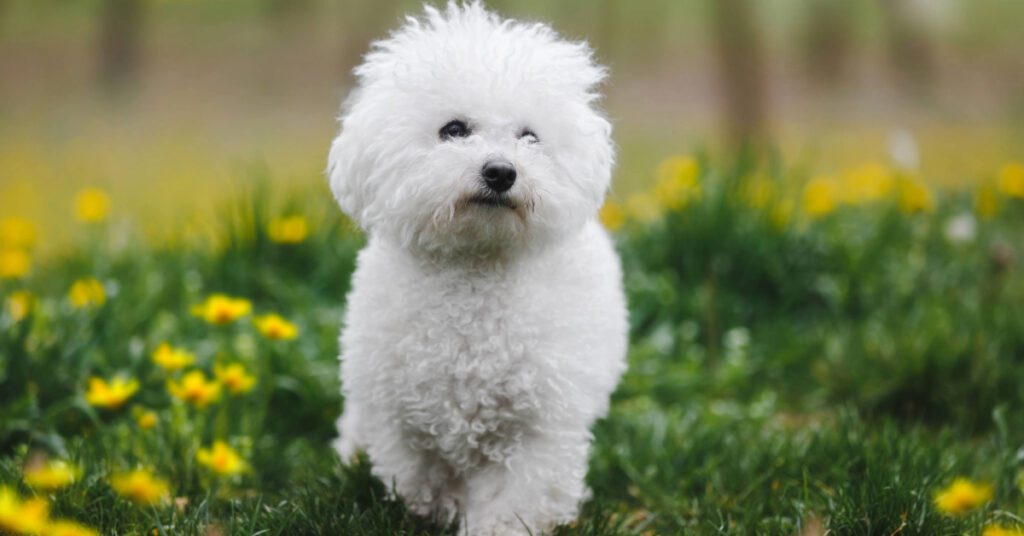
The Bichon Frise has a soft, curly double coat that sheds minimally and produces very little dander. Their cheerful, affectionate temperament makes them beloved companions in households with children or other pets. Bichons require regular grooming (professional grooming every 4–6 weeks is typical) but are excellent hypoallergenic dog breeds for allergy-sensitive families.
3. Portuguese Water Dog
Made famous in part by being a choice breed for a White House family with dog allergies, the Portuguese Water Dog has a thick, wavy or curly coat with minimal shedding. They are active, intelligent, and deeply loyal dogs originally bred to work alongside fishermen. Portuguese Water Dogs need plenty of exercise and mental stimulation but are outstanding companions for active families.
4. Maltese
The Maltese is a small, elegant companion dog with a long, silky single-layer coat that does not shed in the traditional sense. Without an undercoat, these dogs release very little loose hair and dander into the environment. Maltese dogs are affectionate, gentle, and well-suited to apartment or smaller-home living. Their coat requires regular brushing and grooming to prevent matting.
5. Schnauzer (Miniature, Standard, or Giant)
Schnauzers have a distinctive double coat with a wiry outer layer and soft undercoat that sheds very little. They are known for their intelligence, loyalty, and adaptable nature. Miniature Schnauzers are particularly popular for families and apartment dwellers, while Standard and Giant Schnauzers thrive in active households. Regular grooming, including hand-stripping or clipping, keeps their coats in good condition.
Getting Your Home Ready for a Hypoallergenic Dog
Even with a low-allergen breed, some preparation can make the transition to dog ownership smoother for allergy sufferers:
- Invest in a HEPA air purifier for main living areas to reduce airborne allergens.
- Establish pet-free zones, particularly the bedroom, to create allergen-low spaces for sleeping.
- Vacuum regularly with a HEPA-filter vacuum to remove dander from floors and furniture.
- Wash dog bedding, toys, and blankets frequently.
- Bathe your dog every 2–4 weeks to reduce surface dander and allergens.
- Consider consulting an allergist before adoption to identify your specific triggers and discuss management strategies.
Health Care for Your Hypoallergenic Dog
All dogs, whether hypoallergenic or not, need the same foundational veterinary care:
- Core vaccinations on the appropriate schedule
- Year-round parasite prevention for fleas, ticks, and heartworm
- Regular wellness exams at Kryder + Harr Veterinary Clinic
- Dental care, including professional cleanings as recommended
- Spay or neuter as appropriate
Finding the Right Fit for Your Family
Hypoallergenic dog breeds open up dog ownership to people who might otherwise have thought it was impossible. With the right breed choice, home preparation, and a trusted veterinary partner, living with a dog while managing allergies is very achievable. Our team at Kryder + Harr Veterinary Clinic in Granger, IN is here to help your new family member get started on the right paw, from first puppy vaccines through every stage of life. Call us at (574) 277-6533 when you are ready to schedule your new dog’s first appointment.

Recent Posts
About Us
Welcome to Kryder & Harr Veterinary Clinic! Our animal hospital has been a fixture in the Granger community since 1981, practicing full-service veterinary medicine for all our pet parents and their furry family members. At KHVC, we pride ourselves on our history, of providing excellent customer service for our clients, along with dedicated, compassionate, and exceptional medical care for all of our patients.