
Dental disease is the most common health problem in adult dogs and the good news is it is largely preventable. Learning how to brush dog teeth is one of the single most effective things you can do for your pet’s long-term health. Regular tooth brushing removes plaque before it hardens into tartar, preventing the gum disease, tooth loss, and systemic health complications that come with chronic oral infection. At Kryder + Harr Veterinary Clinic in Granger, IN, we encourage every dog owner to make tooth brushing a part of their pet care routine. Here are seven practical tips to help you succeed.
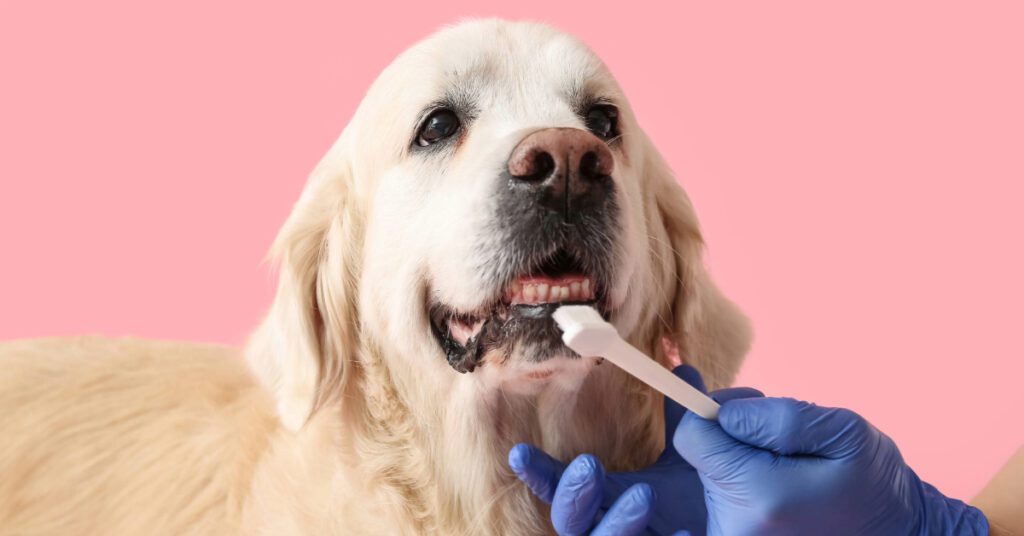
Tip 1: Start with the Right Supplies
You will need a dog-specific toothbrush and dog-safe enzymatic toothpaste. Dog toothbrushes come in several designs including long-handled brushes similar to human brushes, finger brushes that slip over your finger, and dual-headed brushes. Choose whichever your dog seems most comfortable with. Never use human toothpaste on your dog as it contains fluoride and xylitol, which are toxic to dogs. Dog toothpastes come in flavors like poultry, beef, and peanut butter, which makes the experience far more appealing for your dog.
Tip 2: Start Slowly and Build Trust
If your dog has never had their teeth brushed, jumping straight to a toothbrush can be overwhelming. Instead, begin by touching their lips and muzzle regularly during relaxed moments, rewarding with praise and small treats. Over several days, progress to gently lifting their lip and touching the teeth and gums with your finger. Only introduce the toothbrush once your dog is comfortable with you handling their mouth. Rushing this process often creates resistance. Patience in the early stages makes the whole practice more sustainable long-term.
Tip 3: Let Them Taste the Toothpaste First
Before you start brushing, offer your dog a small amount of toothpaste from your finger to taste. Because dog toothpastes are designed to taste good, this often gets them excited about the process rather than resistant to it. This step also helps your dog associate the toothpaste with a positive experience before you introduce the brushing motion.
Tip 4: Focus on the Outer Tooth Surfaces
You do not need to brush the inside surfaces of your dog’s teeth (the tongue-side surfaces). Saliva keeps those surfaces fairly clean. The outer surfaces, meaning the ones facing the cheeks and lips, are where plaque and tartar accumulate most. These are the surfaces to focus on. Hold the brush at a 45-degree angle to the gum line and use small, gentle circular or back-and-forth motions. You do not need to apply significant pressure as gentle contact is sufficient.
Tip 5: Keep Sessions Short — Especially at First
When you are first learning how to brush dog teeth, sessions should be brief, even 30 seconds is a meaningful start. Gradually extend the duration as your dog gets more comfortable. The goal is to make tooth brushing a positive, routine experience rather than a battle. Always end on a positive note, even if you only managed a few strokes per side. Consistent short sessions are far more effective than occasional long ones.
Tip 6: Aim for Daily Brushing
Daily tooth brushing is the gold standard for canine dental care. Plaque, which is the soft, bacteria-laden film that forms on teeth, starts to mineralize into tartar within 24–48 hours. Once tartar forms, brushing alone cannot remove it, and professional dental cleaning under anesthesia at Kryder + Harr Veterinary Clinic is required. Brushing every day keeps plaque at bay before it has a chance to harden. If daily brushing is not achievable, aim for at least three to four times per week.
Tip 7: Supplement Brushing with Other Dental Care Products
Brushing is the most effective home dental care tool, but it can be supplemented with:
- Dental chews with the VOHC (Veterinary Oral Health Council) seal of acceptance
- Dental water additives that reduce bacterial growth in the mouth
- Dental diets formulated to mechanically reduce plaque through chewing
These supplements do not replace brushing but can help slow plaque accumulation on days when brushing is not possible. Always choose dental products that carry the VOHC seal, as these have been independently tested and proven effective.
What to Do If Your Dog Hates Having Their Teeth Brushed
Some dogs are genuinely resistant to tooth brushing, and in those cases, it is worth having a conversation with our veterinary team at Kryder + Harr Veterinary Clinic about alternatives. Professional guidance on desensitization techniques, recommendations for effective non-brushing products, and regular professional cleanings can all be part of a dental care plan tailored to your dog’s temperament.
Healthy Teeth Support a Healthier Life
Dental disease does not just affect your dog’s mouth. Untreated oral infection can allow bacteria to enter the bloodstream and potentially affect the heart, kidneys, and liver. Learning how to brush dog teeth is one of the simplest ways to reduce this risk and extend your dog’s quality of life. Our team at Kryder + Harr Veterinary Clinic in Granger, IN performs professional dental exams and cleanings and is always here to support your home dental care routine. Call us at (574) 277-6533 to schedule your dog’s dental checkup today.
Recent Posts
About Us
Welcome to Kryder & Harr Veterinary Clinic! Our animal hospital has been a fixture in the Granger community since 1981, practicing full-service veterinary medicine for all our pet parents and their furry family members. At KHVC, we pride ourselves on our history, of providing excellent customer service for our clients, along with dedicated, compassionate, and exceptional medical care for all of our patients.