
If you have noticed your dog drinking a lot of water lately, refilling the bowl more often, drinking urgently, or urinating more frequently, that is not something to dismiss. Increased water intake in dogs, especially when it comes on suddenly, is often the first noticeable sign of an underlying medical condition. The technical term for excessive thirst is polydipsia, and it is frequently paired with polyuria (excessive urination). At Kryder + Harr Veterinary Clinic in Granger, IN, we take increased water consumption seriously and want to help owners understand what might be behind this change.
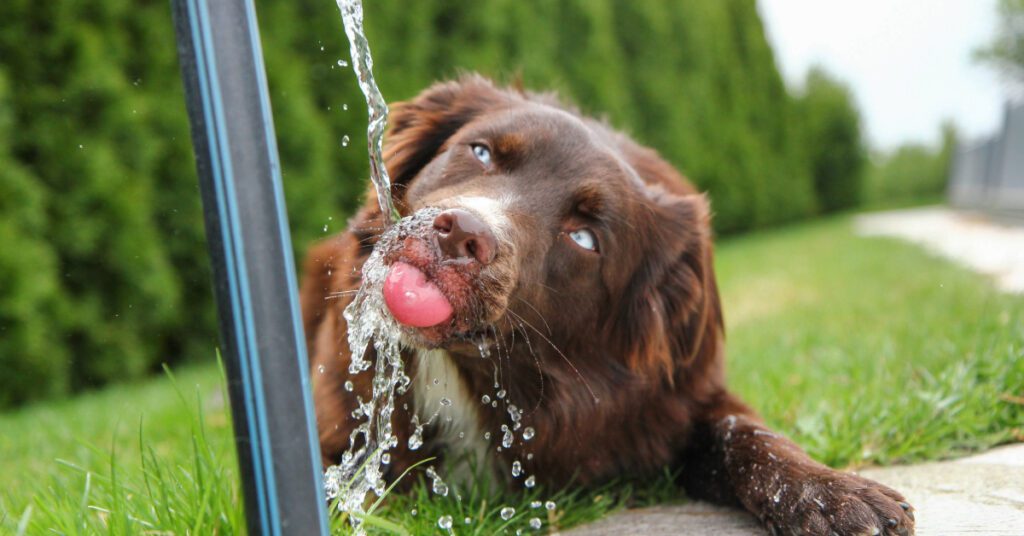
How Much Water Should a Dog Drink?
On average, a healthy dog drinks approximately one ounce of water per pound of body weight per day. A 50-pound dog, for example, should drink roughly 50 ounces of water daily. This can vary based on activity level, diet (dry food dogs drink more than dogs on wet food), heat, and individual variation. When a dog is drinking noticeably more than their normal amount, especially accompanied by increased urination, it is time to pay attention.
Common Medical Causes of a Dog Drinking a Lot of Water
There are several medical conditions that commonly cause polydipsia in dogs. Many of these are serious but highly manageable when caught early, which is why veterinary evaluation is so important.
Diabetes Mellitus
Diabetes is one of the most common causes of excessive thirst and urination in dogs. When a dog has diabetes, their body cannot properly use glucose for energy, causing it to accumulate in the bloodstream. The kidneys respond by filtering more glucose out through urine, which requires more water, leading to increased thirst to compensate. Other signs of canine diabetes include weight loss despite a good appetite, lethargy, and cloudy eyes (cataracts) in some cases.
Kidney Disease
The kidneys play a central role in regulating fluid balance. When the kidneys are not functioning properly, either from chronic kidney disease (CKD) or acute kidney injury, they lose the ability to concentrate urine effectively, causing dogs to urinate more and drink more to compensate. Kidney disease is extremely common in older dogs and can often be managed effectively when detected early through routine blood work and urinalysis.
Cushing’s Disease (Hyperadrenocorticism)
Cushing’s disease occurs when the adrenal glands produce too much cortisol. Excessive thirst and urination are two of the hallmark signs. Other signs include a pot-bellied appearance, hair loss, increased appetite, panting, and muscle weakness. Cushing’s is most common in middle-aged to older dogs and in certain breeds like Poodles, Beagles, and Dachshunds.
Pyometra
In intact (unspayed) female dogs, a uterine infection called pyometra can cause excessive thirst as one of its early signs. Pyometra is a life-threatening condition requiring emergency surgery. If your unspayed female dog is drinking excessively alongside lethargy, vaginal discharge, vomiting, or abdominal swelling, seek emergency veterinary care immediately.
Liver Disease
Liver dysfunction can affect the body’s ability to produce certain compounds that regulate urination, leading to increased water intake. Liver disease may also cause vomiting, jaundice (yellowing of the skin or eyes), and changes in stool color.
Medications
Certain medications, particularly corticosteroids (prednisone, dexamethasone) and some diuretics, are known to increase thirst and urination as side effects. If your dog recently started a new medication and began drinking more, mention this to your veterinarian.
Non-Medical Reasons for Increased Water Intake
Not all cases of a dog drinking a lot of water indicate disease. Hot weather, increased exercise, a recent switch from wet to dry food, and nursing (in lactating females) can all legitimately increase a dog’s water needs. However, these situational increases are typically proportional and temporary. If there is no obvious environmental explanation for the increased drinking, a veterinary visit is warranted.
Diagnosing Why Your Dog Is Drinking So Much Water
At Kryder + Harr Veterinary Clinic, evaluating excessive thirst in dogs starts with a comprehensive physical exam and detailed history. Diagnostic testing typically includes a complete blood count (CBC), chemistry panel, urinalysis, and sometimes urine culture. These tests can identify kidney disease, diabetes, liver disease, and many other conditions in a single visit. Additional tests may follow based on your pet’s initial results.
A Change in Thirst Is Worth a Phone Call
A sudden change in how much your dog drinks such as your dog drinking a lot of water is one of the more reliable early warning signs that something is happening in their body. The earlier many of these conditions are diagnosed, the better the outcome and the more options there are for management. If your dog has been drinking a lot of water, do not wait to see if it resolves on its own. Call Kryder + Harr Veterinary Clinic in Granger, IN at (574) 277-6533 and let our team help you figure out what is going on.
Recent Posts
About Us
Welcome to Kryder & Harr Veterinary Clinic! Our animal hospital has been a fixture in the Granger community since 1981, practicing full-service veterinary medicine for all our pet parents and their furry family members. At KHVC, we pride ourselves on our history, of providing excellent customer service for our clients, along with dedicated, compassionate, and exceptional medical care for all of our patients.