
Allergic reactions in dogs are more common than many owners realize, and they can look very different from one dog to the next. Some dogs with allergies scratch incessantly; others vomit after eating certain foods; and in the most severe cases, a dog can go into life-threatening anaphylactic shock. Recognizing the signs of dog allergies and knowing when something requires immediate attention is an important part of being a prepared pet owner. At Kryder + Harr Veterinary Clinic in Granger, IN, we see allergic dogs regularly and can help you identify triggers and find relief for your pet.
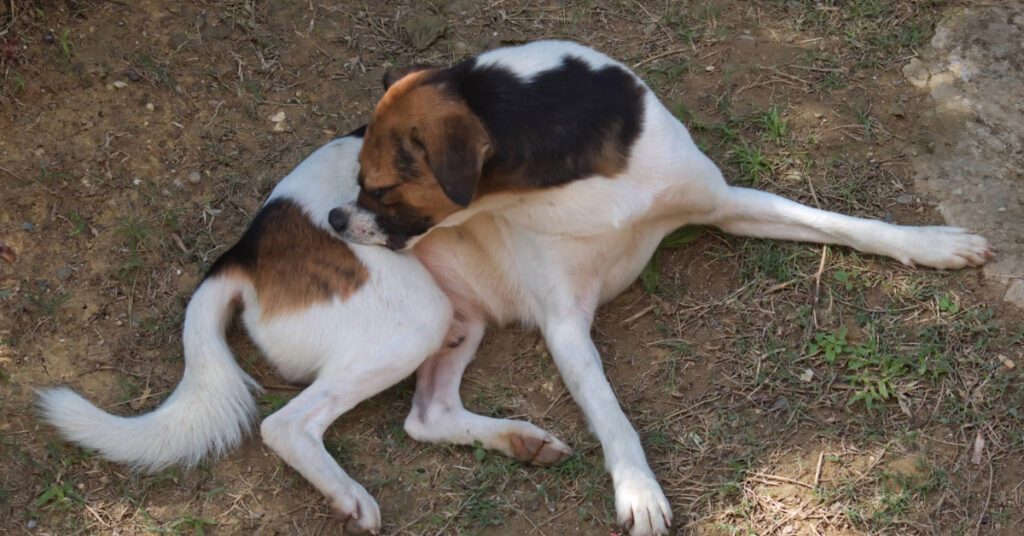
Types of Allergic Reactions in Dogs
Dog allergies broadly fall into several categories, each with distinct triggers and presentations. Understanding the type of allergy your dog has is foundational to effective management.
Environmental Allergies (Atopy)
Dogs can be allergic to the same environmental allergens that affect humans like pollen, grass, mold, dust mites, and dander. Environmental allergies in dogs are one of the most common causes of chronic itchy skin, recurring ear infections, and paw licking. Symptoms may be seasonal (worse in spring and fall) or year-round. The face, paws, belly, and underarms are commonly affected areas.
Food Allergies
True food allergies in dogs involve an immune-mediated response to a specific protein in the diet, most commonly chicken, beef, dairy, eggs, wheat, or soy. Food allergies often present as chronic skin issues, gastrointestinal symptoms (vomiting, diarrhea), or both. Unlike food sensitivities, true food allergies involve the immune system and tend to be year-round rather than seasonal. Diagnosing a food allergy requires a strict dietary elimination trial guided by a veterinarian.
Contact Allergies
Contact allergies occur when a dog’s skin reacts directly to a substance it touches such as certain fabrics, carpets, cleaning products, plants, or topical grooming products. These reactions typically affect skin areas with less fur, such as the belly, paws, and face, and improve when the offending substance is removed.
Insect and Flea Allergy Dermatitis
Flea allergy dermatitis is one of the most common skin allergies in dogs. A single flea bite can trigger an intense allergic response in sensitive dogs, causing severe itching, redness, and hair loss, particularly at the base of the tail. Insect stings from wasps, bees, or fire ants can also cause both localized and systemic allergic reactions.
Signs of Allergic Reactions in Dogs
The signs of dog allergies can vary significantly depending on the type and severity of the reaction. Here are the most common presentations:
Skin and Coat Signs
- Persistent scratching, licking, or biting of the skin
- Redness, rashes, or hives
- Recurrent ear infections
- Chronic paw licking
- Hair loss or thinning
- Hot spots (areas of moist, inflamed skin)
Gastrointestinal Signs
- Vomiting
- Diarrhea or loose stools
- Flatulence
- Decreased appetite
Signs of a Severe Allergic Reaction (Anaphylaxis)
Anaphylaxis is a medical emergency. Seek immediate veterinary care if you see:
- Facial swelling, especially around the muzzle and eyes
- Hives across the body
- Vomiting immediately following an allergen exposure
- Difficulty breathing or wheezing
- Collapse, extreme weakness, or pale gums
How Are Dog Allergies Diagnosed?
Diagnosing allergic reactions in dogs requires detective work. At Kryder + Harr Veterinary Clinic, we start with a thorough physical exam and a detailed history of your dog’s symptoms, diet, and environment. For food allergies, a dietary elimination trial, meaning feeding a novel or hydrolyzed protein diet strictly for 8–12 weeks, is the gold standard. For environmental allergies, intradermal skin testing or serum allergy blood testing can identify specific allergens. Ruling out other conditions that mimic allergies (like sarcoptic mange or skin infections) is also part of the process.
Treatment for Allergic Reactions in Dogs
Treatment depends entirely on the type and severity of the allergy. Options may include:
- Allergen avoidance: Minimizing contact with identified triggers is always the first step.
- Immunotherapy: Allergy shots or sublingual drops that gradually desensitize the immune system.
- Medications: Antihistamines, corticosteroids, Apoquel, or Cytopoint for symptom management.
- Dietary management: Switching to a hypoallergenic or limited-ingredient diet.
- Year-round flea control: Essential for any dog with flea allergy dermatitis.
Allergies Are Manageable — With the Right Help
Living with an allergic dog can be frustrating, but with the right diagnosis and treatment plan, most dogs with allergies can live comfortable, happy lives. If your dog has been itching, experiencing recurring skin or ear problems, or showing any signs of allergic reactions, reach out to Kryder + Harr Veterinary Clinic in Granger, IN at (574) 277-6533. Our team will help you identify what’s driving the reaction and build a management plan that works for both your dog and your family.

Recent Posts
About Us
Welcome to Kryder & Harr Veterinary Clinic! Our animal hospital has been a fixture in the Granger community since 1981, practicing full-service veterinary medicine for all our pet parents and their furry family members. At KHVC, we pride ourselves on our history, of providing excellent customer service for our clients, along with dedicated, compassionate, and exceptional medical care for all of our patients.