
Most cat owners have been there: your cat leans in for a nuzzle and you are hit with an unexpected and unpleasant odor. Some degree of “cat breath” is normal, but bad breath in cats can also be an important signal from your cat’s body that something is not right. The medical term for bad breath is halitosis, and in cats, it is almost always worth investigating. At Kryder + Harr Veterinary Clinic in Granger, IN, oral health is a priority for every feline patient, and we want to help you understand what cat bad breath can mean.
What Does Normal Cat Breath Smell Like?
Truly normal cat breath is not strongly odorous. A mild, faintly “meaty” smell that reflects a protein-based diet is generally nothing to worry about. What is not normal is breath that smells overtly foul, fishy beyond the norm, sickeningly sweet (like nail polish remover or fruit), ammoniacal (like urine), or frankly rotten. These distinct odors can actually point toward specific underlying conditions.
Common Causes of Bad Breath in Cats
Dental Disease
By far the most common cause of bad breath in cats is periodontal disease which is infection, inflammation, and breakdown of the structures supporting the teeth. By the time cats reach 3 years of age, the majority show some degree of dental disease. Plaque and tartar harbor bacteria that produce volatile sulfur compounds, which cause that unpleasant odor. Other signs of dental disease alongside bad breath include drooling, difficulty eating, pawing at the mouth, and visible tartar buildup or redness at the gum line.
Tooth Resorption
Feline tooth resorption is a painful condition unique to cats in which the tooth structure literally breaks down and is reabsorbed by the body. It affects up to 60% of adult cats. Tooth resorption often causes significant oral pain and contributes to halitosis. It is diagnosed by a veterinarian during an oral exam and requires tooth extraction for affected teeth.
Stomatitis
Feline stomatitis is severe, widespread inflammation of the mouth including the gums, tongue, and throat that causes extreme discomfort and profoundly bad breath in cats. It is thought to involve an abnormal immune response to plaque bacteria. Cats with stomatitis often stop grooming, lose weight, and are clearly in pain. Treatment is complex and may involve extensive dental extractions.
Kidney Disease
One of the signature symptoms of kidney disease in cats is breath that smells like urine or ammonia. As the kidneys lose function, waste products like urea accumulate in the bloodstream and are excreted through the breath. This ammonia-like odor is a significant warning sign that should prompt immediate veterinary evaluation. Kidney disease is one of the most common conditions in older cats and is highly manageable when detected early.
Diabetes
In diabetic cats, the body burns fat for energy instead of glucose, producing ketone bodies as a byproduct. Ketones give the breath a distinctively sweet, fruity, or nail-polish-like odor. If your cat’s breath has this quality alongside increased thirst, urination, and weight loss despite a good appetite, diabetes is a serious consideration that warrants prompt veterinary testing.
Liver Disease and Gastrointestinal Issues
Liver disease can cause a musty or unusual odor to the breath, and some gastrointestinal issues like chronic vomiting or inflammatory bowel disease can contribute to bad breath in cats as well.
How to Assess Your Cat’s Breath at Home
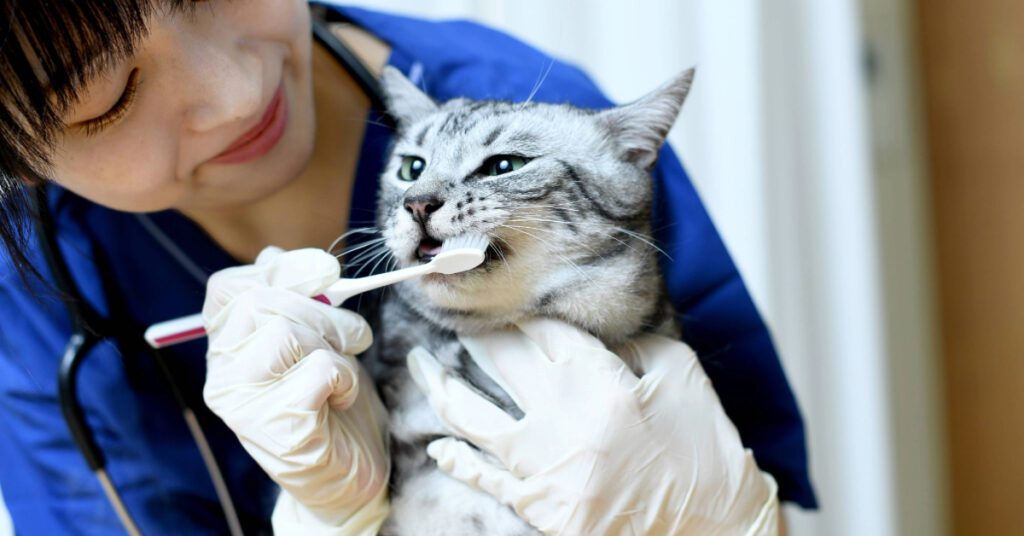
The best time to check your cat’s breath is during a relaxed, quiet moment when your cat is comfortable. Gently lift their lip and take note of the gum color (should be pink and moist, not red, white, or pale), any visible tartar (yellow-brown buildup at the gum line), and the overall odor. If the breath is significantly unpleasant, or if gums are red and inflamed, these are signs that a dental exam is overdue.
When to See a Vet About Cat Bad Breath
Schedule a veterinary appointment for bad breath in cats if:
- The odor is distinctly foul, sweet, or ammonia-like
- You notice changes in eating habits, drooling, or difficulty chewing
- Your cat has not had a dental exam in over a year
- The bad breath is accompanied by other symptoms like weight loss, increased thirst, or lethargy
How Cat Bad Breath Is Treated
Treatment depends entirely on the cause. Dental disease is addressed through professional dental cleanings performed under anesthesia at Kryder + Harr Veterinary Clinic, followed by a home dental care routine. Systemic causes like kidney disease, diabetes, and liver disease require tailored medical management. Regular dental check-ups are the cornerstone of preventing dental-related bad breath in cats.
Fresh Breath Starts with a Healthy Mouth
Bad breath in cats is rarely just a cosmetic issue, it is one of the body’s most reliable early warning signals that something needs attention. Regular dental care, routine wellness exams at Kryder + Harr Veterinary Clinic in Granger, IN, and awareness of what your cat’s breath normally smells like will help you catch problems early and keep your cat healthy and comfortable for years to come. Call us at (574) 277-6533!

Recent Posts
About Us
Welcome to Kryder & Harr Veterinary Clinic! Our animal hospital has been a fixture in the Granger community since 1981, practicing full-service veterinary medicine for all our pet parents and their furry family members. At KHVC, we pride ourselves on our history, of providing excellent customer service for our clients, along with dedicated, compassionate, and exceptional medical care for all of our patients.