
If you have ever watched your dog sleeping and noticed them twitching, paddling their paws, or making soft whimpering sounds, you have probably wondered: do dogs dream? The answer, supported by scientific research, is almost certainly yes, dogs do dream. And what they dream about might be surprisingly familiar. At Kryder + Harr Veterinary Clinic in Granger, IN, we love helping pet owners understand the science behind their dogs’ behavior, including what happens inside that furry head during naptime.
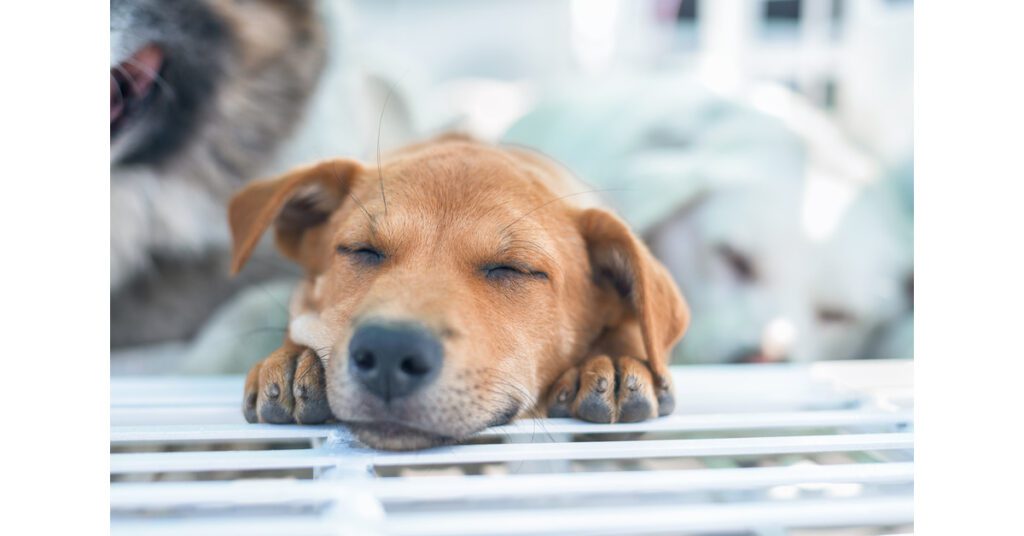
The Science Behind Dog Dreams
Much of what scientists know about dog dreaming comes from studying the sleep stages of mammals more broadly. Like humans, dogs experience both slow-wave sleep (SWS) and rapid eye movement (REM) sleep. REM sleep is the stage most associated with vivid dreaming in humans, and evidence strongly suggests the same is true for dogs.
Brain Activity During Dog Sleep
Research conducted at MIT demonstrated that animals including rats replay their daytime experiences during sleep, suggesting they experience something very much like dreams. Because dogs share similar brain structure and sleep patterns with humans, most sleep researchers believe dogs do the same thing. Dogs enter REM sleep and show brain activity patterns during this stage that closely mirror those seen during waking activity, supporting the idea that dogs dream about things they have done during the day.
What Do Dogs Dream About?
Based on available evidence, dogs likely dream about experiences from their waking lives: running, playing fetch, sniffing things on walks, interactions with people and other animals, and possibly even their owners. So yes, there is scientific reason to believe your dog might be dreaming about you.
Signs That Your Dog Is Dreaming
Watching a dog dream is one of the most endearing things about having a canine companion. Here are some common signs your dog is in the dreaming stage of sleep:
- Twitching of the paws, legs, or tail
- Paddling movements as if running
- Eye movements under closed lids
- Whimpering, whining, or soft barking
- Soft growling or other vocalizations
- Subtle facial movements or lip twitching
These are all normal and indicate that your dog has entered REM sleep.
Should You Wake a Dreaming Dog?
The old saying “let sleeping dogs lie” exists for a reason. It is generally best to let a dreaming dog sleep undisturbed. Dogs that are woken suddenly from deep sleep, especially REM sleep, can be startled and disoriented, and in some cases may snap or bite reflexively before fully waking. This is especially true of older dogs or those with hearing loss who may be even more easily startled. If you need to wake your dog, try calling their name softly from a slight distance rather than reaching out to touch them.
Do Puppies Dream More Than Adult Dogs?
Research suggests that puppies and older dogs spend more time in REM sleep and therefore may dream more than middle-aged adult dogs. This might be because the developing brains of puppies are processing and consolidating an enormous amount of new information every day, requiring more REM sleep to do so. If your puppy seems to twitch and move constantly while sleeping, this is completely normal and actually a sign of healthy brain development.
What About Nightmares in Dogs?
Just as dogs can have pleasant dreams, they can also have what appear to be distressing ones. If your dog whimpers, cries, or seems distressed during sleep, they may be having a nightmare or perhaps replaying a stressful or frightening experience. While it can be tempting to comfort them, the safest approach is to gently call their name from a safe distance to rouse them, rather than reaching toward a dog that is clearly agitated, even in sleep. Once they are awake and reoriented, you can provide comfort and reassurance.
When Sleep Behaviors Might Be Something More
While most twitching and moving during sleep is completely normal dreaming behavior, some sleep-related movements can indicate a medical issue. Seizures can occur during sleep and may look similar to active dreaming, but a seizure typically involves more rigid, intense, or prolonged movements, difficulty waking the dog, and a confused or disoriented post-seizure period. If your dog’s sleep movements seem violent, sustained, or are followed by confusion or difficulty walking, contact Kryder + Harr Veterinary Clinic for an evaluation. Epilepsy and other seizure disorders can be managed effectively with veterinary care.
The Dream Life of Your Dog
So, do dogs dream? Dogs dream and their dream lives appear to be rich, experiential, and personal. It is one more reminder of just how emotionally and cognitively complex our canine companions are. If you have questions about your dog’s sleep patterns, health, or behavior, the team at Kryder + Harr Veterinary Clinic in Granger, IN is always here to help. Call us at (574) 277-6533 to schedule a wellness visit and let us take care of the dog who dreams about you.

Recent Posts
About Us
Welcome to Kryder & Harr Veterinary Clinic! Our animal hospital has been a fixture in the Granger community since 1981, practicing full-service veterinary medicine for all our pet parents and their furry family members. At KHVC, we pride ourselves on our history, of providing excellent customer service for our clients, along with dedicated, compassionate, and exceptional medical care for all of our patients.