
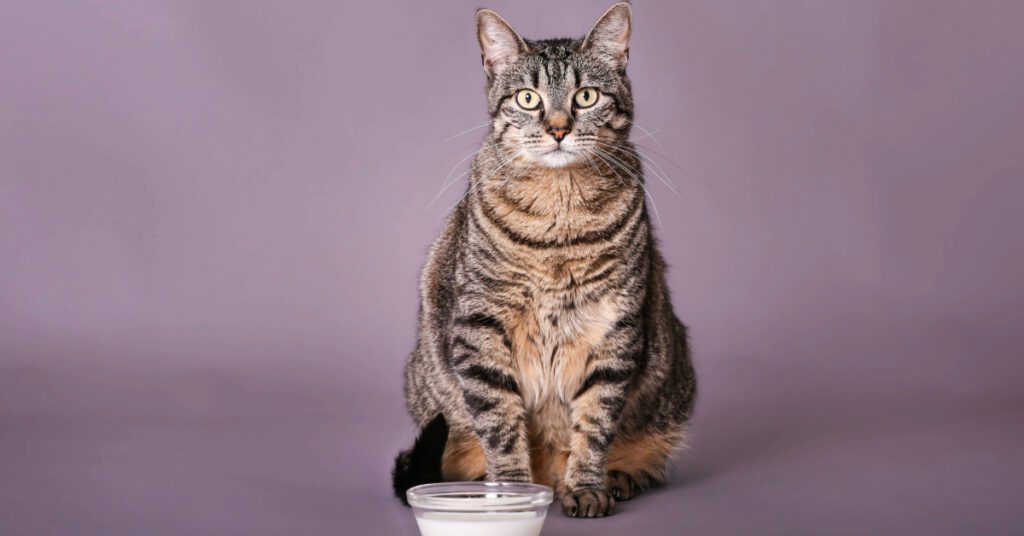
The image of a cat happily lapping up a bowl of milk is one of the most iconic in popular culture. But can cats drink milk safely? The surprising truth is that most adult cats are lactose intolerant and cannot digest cow’s milk without experiencing digestive discomfort. Despite the charming imagery, milk is not a healthy or appropriate treat for most cats. At Kryder + Harr Veterinary Clinic in Granger, IN, we want to give you the facts so you can make informed decisions about what you feed your feline companion.
Why Are Most Cats Lactose Intolerant?
Kittens are born with the ability to produce lactase, the enzyme needed to break down lactose, which is the sugar found in milk. This makes sense, since kittens depend entirely on their mother’s milk for nutrition in early life. However, as kittens are weaned and transition to solid food, their bodies gradually stop producing lactase. By the time most cats reach adulthood, they no longer have enough lactase to properly digest the lactose in cow’s milk. This means that giving a cat milk can lead to digestive upset.
What Happens When Cats Drink Cow’s Milk?
When a lactose-intolerant cat drinks cow’s milk, the undigested lactose travels to the large intestine where it ferments. This fermentation process causes symptoms including:
- Diarrhea (often the first and most common sign)
- Vomiting
- Flatulence and bloating
- Abdominal discomfort
- Loose, greasy stools
These symptoms can appear anywhere from a few hours to a day after consuming milk. In some cats, even small amounts trigger noticeable discomfort.
Do All Cats React to Milk?
Not every cat reacts to milk the same way. Some cats retain more lactase activity into adulthood and can tolerate small amounts of dairy without obvious symptoms. However, this does not mean milk is safe or beneficial for those cats, it simply means their bodies are a bit more tolerant. The absence of obvious symptoms does not confirm that milk is a healthy addition to your cat’s diet. Given the lack of nutritional benefit and the genuine digestive risk, most veterinarians recommend avoiding cow’s milk for cats altogether.
What About Other Dairy Products?
Cats and dairy products are generally not a good combination, but some products contain less lactose than others. Hard aged cheeses, for example, have much lower lactose content than liquid milk. Small amounts of hard cheese are unlikely to cause significant digestive upset in most cats. However, dairy products are high in fat, and regular consumption can contribute to weight gain and other health issues. Cream and heavy cream are especially high in fat. Plain yogurt with live cultures is sometimes tolerated better due to the bacterial cultures that have already broken down some of the lactose, but this is still not a recommended treat.
Can Kittens Drink Cow’s Milk?
This is a common misconception worth addressing directly. Pet owners who ask “Can cats drink milk?” are often specifically concerned about kittens, and rightly so. If a kitten has been separated from their mother and needs supplemental nutrition, cow’s milk is not appropriate. It does not have the right nutritional composition for kittens and can still cause digestive problems. Orphaned kittens should be fed kitten milk replacer (KMR), a specially formulated product available from your veterinarian or pet store. If you have found an orphaned kitten, contact Kryder + Harr Veterinary Clinic right away for guidance on proper feeding and care.
What Can Cats Drink Instead of Milk?
The ideal drink for cats is fresh, clean water. Cats are not always natural water drinkers. Their desert ancestry means they evolved to get most of their hydration from prey, but keeping fresh water available and encouraging hydration is essential to kidney and urinary tract health. If your cat does not drink enough water:
- Try a pet water fountain as many cats prefer moving water.
- Place multiple water bowls in different locations around the home.
- Consider incorporating wet food into your cat’s diet to increase moisture intake.
- Ensure water bowls are clean since cats are sensitive to bowl odors.
What About Cat Milk Products?
Pet stores sell products marketed as “cat milk” or “kitten milk.” These are typically cow’s milk products with the lactose removed or reduced, making them more digestible for cats. While these are generally safer than regular cow’s milk, they are still not nutritionally necessary and should only be an occasional treat rather than a regular part of your cat’s diet. Always check the ingredients for any added sugars or artificial additives.
Keeping Your Cat Healthy Through Thoughtful Nutrition
The question “Can cats drink milk?” is a great reminder that what seems natural or traditional for pets is not always what is actually best for them. Your cat’s health is best supported by a complete, balanced diet formulated specifically for cats, access to fresh water, and regular wellness visits at Kryder + Harr Veterinary Clinic in Granger, IN. Our veterinary team is always happy to answer your nutrition questions and help you build a diet plan that keeps your cat thriving for years to come. Call us at (574) 277-6533.

Recent Posts
About Us
Welcome to Kryder & Harr Veterinary Clinic! Our animal hospital has been a fixture in the Granger community since 1981, practicing full-service veterinary medicine for all our pet parents and their furry family members. At KHVC, we pride ourselves on our history, of providing excellent customer service for our clients, along with dedicated, compassionate, and exceptional medical care for all of our patients.