
A new puppy owner leaves the shelter with a wiggling eight-week-old bundle of energy and a folder of paperwork, unsure which parts actually matter right away. Near the top of that list: puppies need a wellness exam roughly every three to four weeks from about six to eight weeks of age until sixteen weeks old, then again at the one-year mark. That tight schedule is not overkill. Puppies change so fast in those first months that a single annual visit, the norm for adult dogs, would miss critical windows for vaccines, deworming, and early development checks. Here, our team at Kryder & Harr Veterinary Clinic in Granger, IN, breaks down what happens at each of those early appointments, from the very first exam to the one-year milestone, so you can feel confident about what your puppy needs and when.
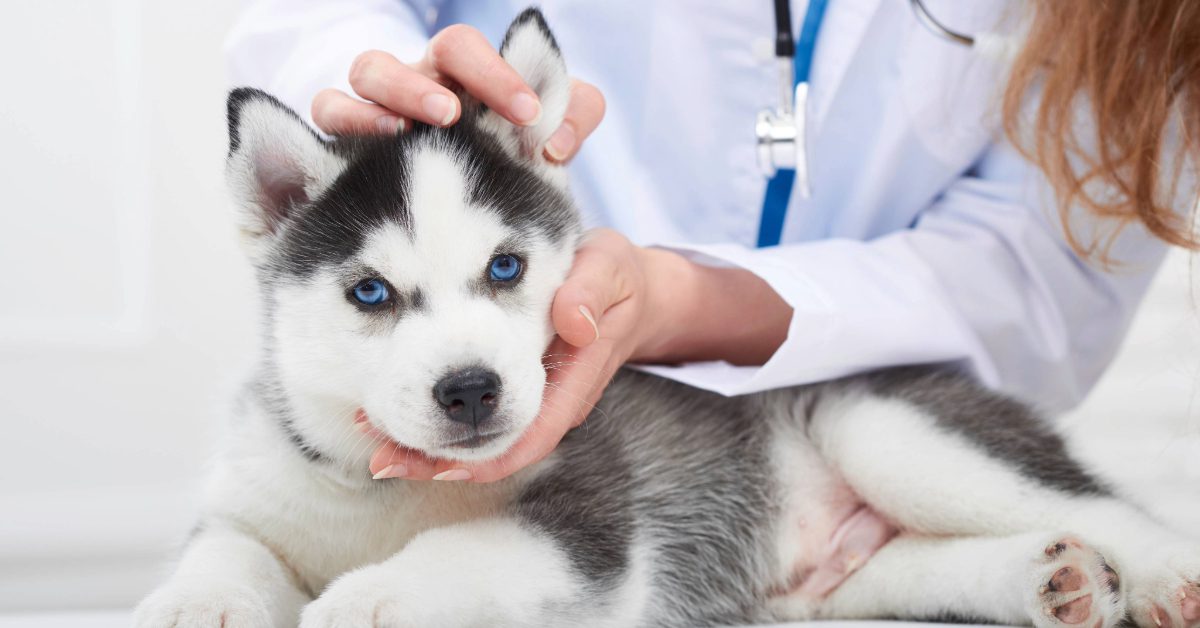
The First Puppy Wellness Exam and Early Development Milestones
The first puppy wellness exam usually happens between six and eight weeks of age, often shortly after a puppy leaves its mother and littermates. This visit sets the tone for everything that follows.
What Happens at the First Visit
Your veterinarian will perform a full physical exam, checking eyes, ears, mouth, heart, lungs, abdomen, and joints for anything unusual. They will also discuss your puppy’s history, including where they came from, any known health issues in the litter, and their current diet. This baseline exam gives the team something to compare against at every puppy wellness exam that follows.
Tracking Developmental Milestones
Puppies pass through a fast sequence of physical and behavioral changes, and each puppy wellness exam is a chance to confirm your puppy is on track. Veterinarians watch for:
- Steady, appropriate weight gain for the breed and age
- Healthy vision and hearing responses
- Normal gait and coordination as mobility develops
- Baby teeth coming in on schedule
- Age-appropriate alertness and responsiveness
Growth that looks off track at one puppy wellness exam does not always mean a problem, but it is exactly the kind of detail that benefits from professional eyes rather than guesswork at home.
Vaccinations and Parasite Prevention
Building strong immunity and protecting against parasites are two of the biggest reasons puppies need such a frequent puppy wellness exam schedule in the early months.
Building Immunity Through Vaccination
Puppies are born with limited protection from disease, and that protection fades over the first several weeks of life. A series of core vaccines, spaced a few weeks apart, gives a puppy’s immune system time to respond properly. Because timing matters so much, each puppy wellness exam in this window typically includes the next vaccine in the series rather than a single dose covering everything at once. Your veterinarian will walk you through which vaccines your puppy needs based on age, lifestyle, and local disease risk.
Deworming and Parasite Control
Intestinal parasites are extremely common in puppies, even those that appear perfectly healthy. Many puppies pick up worms before birth or through nursing, so deworming is often started early and repeated over several visits. A puppy wellness exam typically includes a fecal check and a deworming plan tailored to your puppy’s age. Your veterinarian will also recommend flea, tick, and heartworm prevention appropriate for your puppy’s size and the season.
Why the Series Matters
Skipping or delaying a puppy wellness exam in this sequence can leave gaps in protection at a vulnerable age. Puppies who miss doses may need to restart part of the vaccine series, which can push back the age they are considered fully protected and ready for more social settings.
Nutrition, Dental Care, and Spay or Neuter Timing
Feeding, dental health, and the decision around spaying or neutering all come up naturally during a puppy wellness exam, since each affects how well your puppy grows.
Feeding a Growing Puppy
Puppies need diets formulated for growth, with the right balance of protein, fat, and nutrients to support developing bones and muscles. Portion size and feeding frequency change as puppies grow, and larger breeds often have different nutritional needs than small ones. At each puppy wellness exam at Kryder & Harr Veterinary Clinic, your veterinarian will check your puppy’s body condition and offer guidance on food type, amount, and transition timing to adult food.
Watching Baby Teeth and Early Dental Health
Puppies are born without teeth and develop a full set of baby teeth by around eight weeks, which then begin falling out as adult teeth come in, usually between three and six months. A puppy wellness exam includes a look at the mouth to confirm teeth are coming in properly and that no baby teeth are lingering past their expected time, which can crowd adult teeth if left unaddressed. Establishing a dental care routine early, including safe chew habits and at-home brushing, sets your puppy up for stronger dental health long term.
Talking Through Spay and Neuter Timing
Spaying and neutering offer health and behavior benefits, and timing depends on factors like breed, size, and individual development. This is a conversation worth having early, since planning ahead is easier than deciding at the last minute. Your veterinarian will discuss:
- General benefits of spaying and neutering
- How breed and size can influence ideal timing
- What the procedure and recovery typically involve
- How the decision fits with your puppy’s overall health plan
Socialization and Preparing for the First Annual Puppy Wellness Exam
Socialization, training, and behavior shaping happen alongside the medical side of puppy care, and both threads come together as your puppy approaches the first annual puppy wellness exam.
Socialization and Training Windows
Puppies go through a key socialization period roughly between three and fourteen weeks of age, when positive exposure to new people, sounds, surfaces, and situations can shape lifelong confidence. Because this window overlaps with the vaccine series, your veterinarian can help you balance safe socialization with appropriate disease precautions. Basic training, house training, and gentle handling exercises started now tend to pay off well beyond puppyhood.
From Puppy Series to the First Annual Visit
Once the puppy vaccine series and early exams wrap up around four months, most puppies shift to a single annual puppy wellness exam, similar to the schedule for adult dogs. This first annual visit is a milestone in itself, giving your veterinarian a chance to confirm your puppy has grown into a healthy young adult and to plan the next stage of preventive care.
Getting Ready for That Visit
A little preparation makes the appointment smoother. Before the visit, consider:
- Writing down any behavior, appetite, or bathroom changes you have noticed
- Confirming your puppy’s full vaccine and deworming history is on file
- Listing current food, treats, and any supplements
- Noting questions about training, diet transitions, or spay and neuter timing
Bringing these details to the first annual puppy wellness exam helps your veterinary team pick up right where the puppy series left off.
Small Steps Now Build a Healthier Dog Later
The first months of a puppy’s life move quickly, and each visit adds another piece to a bigger picture of lifelong health. Staying on schedule with a puppy wellness exam might feel like a lot of trips to the clinic, but each one catches small things while they are still small and builds a relationship your dog will benefit from for years.
If you have recently welcomed a puppy home, our team at Kryder & Harr Veterinary Clinic in Granger, IN, would love to guide you through this stage. We will walk you through vaccines, nutrition, dental development, and everything in between, so you and your puppy start on the right paw together. Call us at (574) 277-6533 today to schedule your puppy’s next wellness exam.

Recent Posts
About Us
Welcome to Kryder & Harr Veterinary Clinic! Our animal hospital has been a fixture in the Granger community since 1981, practicing full-service veterinary medicine for all our pet parents and their furry family members. At KHVC, we pride ourselves on our history, of providing excellent customer service for our clients, along with dedicated, compassionate, and exceptional medical care for all of our patients.