
An owner books an appointment for her dog’s annual checkup, then calls back two days later when he starts limping, assuming it is the same kind of visit. It is not. A wellness exam checks a healthy dog for problems that have not caused symptoms yet, while a sick visit addresses something that has already gone wrong, like that limp. Knowing what a dog wellness exam consist of makes it easier to tell which appointment your dog actually needs and what to expect once you’re in the room. Below, Kryder & Harr Veterinary Clinic in Granger, IN, discusses the physical exam itself, the screening tests your veterinarian may suggest, how often these visits should happen, and exactly where the line falls between a wellness exam and a visit for illness or injury.
Complete Physical Examination: What Does a Dog Wellness Exam Consist Of?
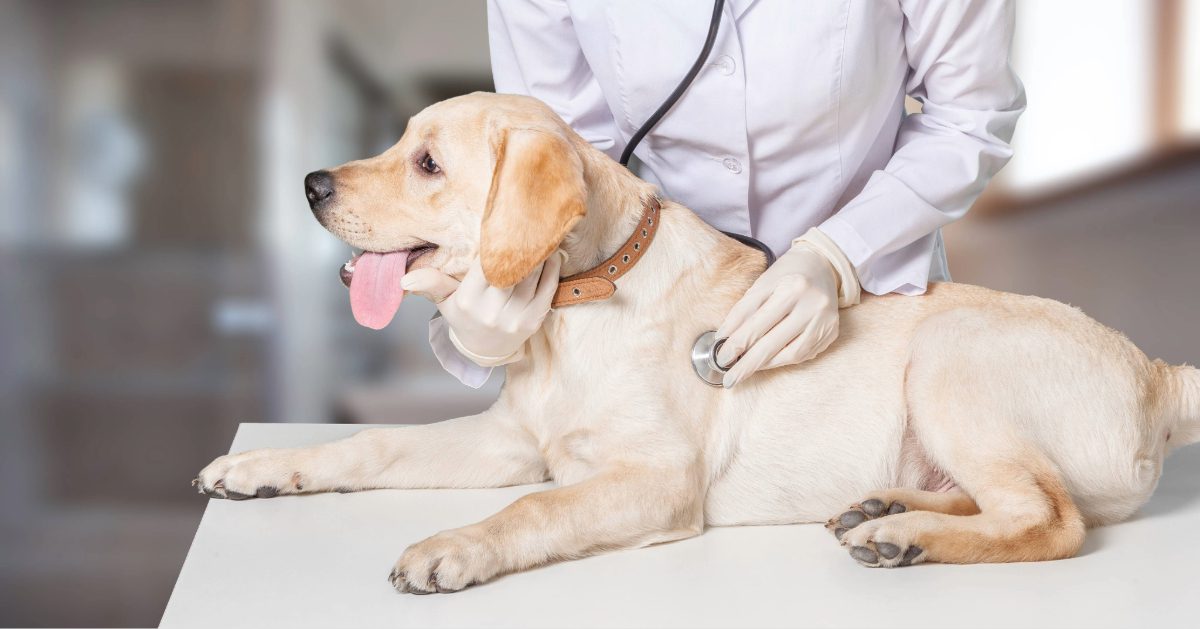
At its core, a dog wellness exam at Kryder & Harr Veterinary Clinic consists of a hands-on, nose-to-tail assessment performed while your dog is otherwise feeling well. The goal is to catch anything unusual before it grows into a bigger issue.
Working Through Each System
Your veterinarian moves through the body in a consistent order so nothing gets skipped. That typically includes:
- Eyes checked for clarity, discharge, or signs of irritation
- Ears examined for odor, debris, or inflammation
- Mouth and teeth inspected for tartar buildup, gum disease, or broken teeth
- Heart and lungs listened to for murmurs or abnormal rhythms
- Abdomen palpated to feel for pain, masses, or organ irregularities
- Skin and coat checked for lumps, parasites, or hair loss
- Joints and gait observed for stiffness, pain, or limping
Why the Hands-On Portion Matters
A dog cannot describe a mild ache or a new lump, so the physical exam is where subtle findings first surface. A slightly enlarged lymph node, a faint heart murmur, or tenderness in the abdomen may mean nothing on their own, but they give your veterinarian a reason to look closer. This is also the part of what does a dog wellness exam consist of that changes least from visit to visit, giving your veterinarian a consistent baseline to compare against as your dog ages.
Wellness Screening Tests: Looking Beyond the Physical Exam
Screening tests round out what does a dog wellness exam consist of by revealing information a physical exam alone cannot show. Blood, urine, and stool carry clues about organ function and hidden parasites long before outward symptoms appear.
Tests Your Veterinarian May Recommend
Depending on your dog’s age, breed, and health history, screening may include:
- A fecal exam to check for intestinal parasites
- A heartworm test, particularly before starting or renewing prevention
- Bloodwork to assess kidney and liver function, blood cell counts, and other markers
- Urinalysis to evaluate kidney health and screen for infection
- Additional testing for tick-borne disease where relevant
Why Testing a Healthy Dog Still Makes Sense
It can feel unnecessary to run tests on a dog who seems completely fine, but that is exactly the point. Establishing normal results while your dog is healthy gives your veterinarian something to measure against later. If a problem develops down the road, comparing new results to an established baseline often speeds up diagnosis and treatment. Senior dogs and certain breeds prone to specific conditions may benefit from more extensive screening, which your veterinarian can tailor to your dog individually.
How Often to Schedule a Pet Wellness Exam
Most healthy adult dogs need a wellness exam once a year, though puppies and senior dogs typically benefit from a more frequent schedule. Your veterinarian will adjust the timeline based on your dog’s age and any ongoing health conditions.
A General Timeline
- Puppies: every few weeks until around four months old, to cover vaccines and early development checks
- Adult dogs: once yearly, assuming no chronic conditions
- Senior dogs: roughly every six months, since age-related changes can progress quickly
- Dogs with ongoing health issues: as often as your veterinarian recommends, which may mean more frequent rechecks
Staying Consistent Pays Off
Skipping a scheduled visit does not just delay a checkup, it also creates a gap in your dog’s health record. Consistent visits mean your veterinarian is more likely to notice a gradual shift in weight, energy, or bloodwork before it becomes something your dog is visibly struggling with. Dogs age faster than people, so a missed year can represent a meaningful stretch of unnoticed change.
Wellness Exam vs. Sick Visit: Knowing the Difference
A wellness exam and a vet exam for illness are not interchangeable, even though both happen in the same exam room with the same veterinary team. Knowing when to book which one helps you get your dog seen at the right time.
What Sets a Wellness Exam Apart
A wellness exam is scheduled in advance, happens while your dog appears healthy, and follows a preventive checklist covering the whole body. It is proactive by design, aimed at catching problems early or confirming that nothing has changed since the last visit.
What a Sick Visit Looks Like
A sick visit, sometimes called an illness or injury exam, is scheduled because something specific is already wrong: vomiting, limping, a skin issue, or any other symptom you have noticed. These visits focus on the presenting problem first, though your veterinarian may still note other findings along the way. Sick visits are often scheduled sooner and may lead to additional diagnostics targeted at the specific concern.
Why This Distinction Matters for Cost and Scheduling
Because a wellness exam is preventive and a sick visit is problem-focused, the recommended tests and the urgency of scheduling can differ between the two. If you are ever unsure whether your dog’s appointment should be a wellness exam or a sick visit, call Kryder & Harr Veterinary Clinic and describe what you are noticing. Our team can help you decide which type of visit fits your dog’s situation and get you scheduled accordingly.
Your Dog’s Health Deserves a Closer Look Every Year
Knowing what does a dog wellness exam consist of takes the mystery out of the appointment and helps you see the value in a visit that might otherwise feel routine. From the physical exam to the screening tests to the timing of each visit, every piece works together to catch small changes while they are still easy to manage.
Curious what a wellness exam would turn up for your dog? Our team at Kryder & Harr Veterinary Clinic in Granger, IN, is here to guide you through the process step by step, from the physical exam to the screening tests to the plan that comes after. Give us a call at (574) 277-6533 to lock in your dog’s next appointment.
Recent Posts
About Us
Welcome to Kryder & Harr Veterinary Clinic! Our animal hospital has been a fixture in the Granger community since 1981, practicing full-service veterinary medicine for all our pet parents and their furry family members. At KHVC, we pride ourselves on our history, of providing excellent customer service for our clients, along with dedicated, compassionate, and exceptional medical care for all of our patients.