
A dog walks into the clinic wagging his tail, showing no sign of pain or illness, and fifteen minutes later his veterinarian has already spotted the beginning of a dental problem he would not have noticed for months. That is the value of a dog wellness exam: a head-to-tail checkup that includes a physical exam, weight and vital sign checks, a review of vaccines and parasite prevention, and sometimes lab work, all done while a dog looks and acts completely normal. Most owners think of the vet as a last resort for when something goes wrong, but dogs are experts at masking discomfort, and quiet problems can build for months before they become obvious. Below, we’ll walk through what a wellness exam actually involves, how often to schedule one, what our veterinary team checks along the way, and how you can help your dog get the most out of every visit.
What Is a Dog Wellness Exam?
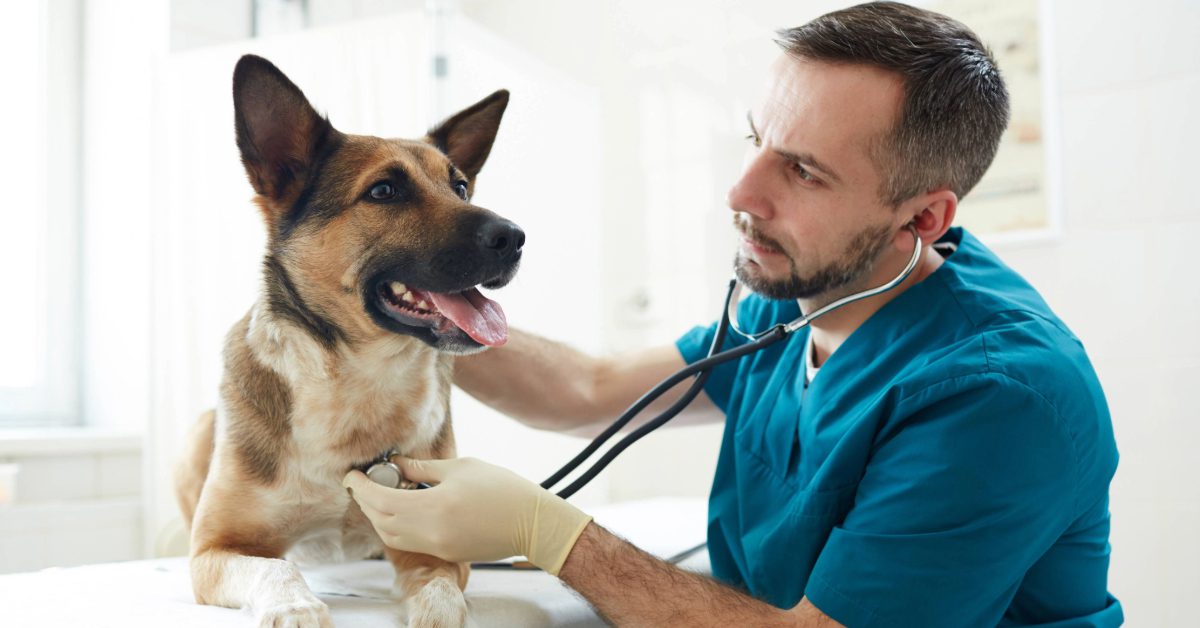
A dog wellness exam is a preventive visit designed to check your dog’s overall health before illness shows up. Instead of solving one specific complaint, your veterinarian looks at the whole dog, from nose to tail, and compares what they find against your dog’s past visits.
More Than a Vaccine Appointment
Plenty of owners think of the yearly visit as “shot day.” Vaccines are part of it, but a wellness exam covers much more. It is a chance to talk through diet, exercise, behavior, dental health, and any small changes you have noticed at home. Your veterinarian can answer questions that never seemed important enough for a phone call.
Why Prevention Pays Off
Dogs age faster than people, so a year between visits can equal several years of change in a human’s life. Catching a heart murmur, a lump, a dental problem, or early kidney changes at a routine dog wellness exam often leads to simpler options and lower costs than waiting for symptoms. Regular records also give your veterinarian a baseline. When your dog’s weight, heart rate, or bloodwork shifts, our team can spot it because they know what normal looks like for your dog.
Benefits at a Glance
Owners often find that a regular dog wellness exam helps them:
- Catch hidden health changes before they become emergencies
- Stay current on vaccines and parasite protection
- Get tailored guidance on nutrition and weight
- Build a relationship with a team that knows their dog
- Feel more confident about what is normal for their pet
How Often Should My Dog Have a Wellness Exam?
Most healthy adult dogs benefit from a dog wellness exam once a year, while puppies and senior dogs usually need visits more often. Your veterinarian will set a schedule based on your dog’s age, breed, and health history.
Puppies
Young dogs grow and change quickly. Puppies typically visit every few weeks for a series of exams and vaccines until they reach about four months of age. These early visits also cover deworming, parasite prevention, socialization, house training, and questions about spaying or neutering. A strong start pays dividends for years.
Adult Dogs
For healthy adults, an annual dog wellness exam is the standard. The visit confirms that your dog is maintaining a healthy weight, that teeth and gums look good, and that vaccines and parasite prevention are up to date. Dogs with ongoing conditions, such as allergies or arthritis, may need additional recheck appointments.
Senior Dogs
Older dogs can develop conditions like arthritis, dental disease, kidney changes, and cognitive decline. Many veterinarians suggest a dog wellness exam every six months once a dog reaches the senior stage, which varies by size. Large breeds tend to be considered seniors earlier than small breeds. More frequent visits let our team catch gradual changes sooner.
What Will My Veterinarian Check During a Dog Wellness Exam?
During a dog wellness exam, your veterinarian performs a nose-to-tail physical assessment, reviews your dog’s history, and talks with you about lifestyle and preventive care. Our team at Kryder & Harr Veterinary Clinic follows a thorough routine so nothing gets overlooked.
The Physical Exam
Expect your veterinarian to check each of these areas:
- Weight and body condition, to spot gradual gain or loss
- Eyes, for discharge, cloudiness, or redness
- Ears, for odor, debris, or signs of irritation
- Mouth, teeth, and gums, for tartar, gum disease, or broken teeth
- Heart and lungs, listening for murmurs, irregular rhythms, or unusual breath sounds
- Abdomen, feeling for pain, masses, or organ changes
- Skin and coat, for lumps, parasites, dryness, or hair loss
- Joints, muscles, and gait, for stiffness or discomfort
- Lymph nodes, which can signal illness when enlarged
Vaccines and Parasite Prevention
Your veterinarian will review your dog’s vaccine record and recommend what fits your dog’s lifestyle. A dog who visits the dog park, boards, or spends time outdoors in Indiana may need different protection than a homebody. Our team will also discuss preventive care against fleas, ticks, heartworm, and intestinal parasites.
A Conversation About Daily Life
Some of the most valuable parts of a dog wellness exam happen through conversation. Your veterinarian may ask about appetite, water intake, energy, bathroom habits, behavior, and exercise. Small details, like a dog who has started hesitating on stairs, can point toward a problem that an exam table alone would not reveal. Bring your own questions too. No concern is too minor.
Why Are Additional Tests Recommended With a Dog Wellness Exam?
Additional tests give your veterinarian information that a physical exam cannot show. Since dogs cannot describe how they feel, screening tests act as a window into what is happening inside the body.
Common Screening Tests
Depending on your dog’s age and risk factors, your veterinarian may suggest:
- A fecal test to check for intestinal parasites
- A heartworm test, especially before starting or continuing prevention
- Bloodwork to evaluate organ function, blood cell counts, and other health markers
- Urinalysis to look at kidney health and screen for infection
- Additional screening for tick-borne diseases
- Dental imaging or X-rays when the mouth needs a closer look
Why Baselines Matter
Even when results are normal, they are useful. A healthy set of numbers gives your veterinarian a reference point for future visits. If your dog gets sick later, the team can compare new results with the earlier ones and see what has changed, which often speeds up answers.
Tests for Older Dogs and Specific Breeds
Senior dogs often benefit from more comprehensive screening because age-related conditions can develop without obvious signs. Some breeds also carry higher risks for particular conditions, and your veterinarian may tailor recommendations accordingly. If cost is a concern, ask which tests matter most for your dog right now. A good veterinary team will explain the reasoning and help you prioritize.
How Can I Prepare My Dog for a Wellness Exam?
Preparing for a dog wellness exam takes only a little planning, and a few simple steps can make the visit smoother for you and your dog. A relaxed dog is easier to examine, and a prepared owner gets more out of the appointment.
Before You Arrive
A few helpful preparations include:
- Writing down questions and observations, such as changes in appetite, energy, or behavior
- Gathering your dog’s vaccine and medical records if you are new to the clinic
- Making a list of all medications, supplements, and foods, including treats
- Collecting a fresh stool sample if the clinic asks for one
- Asking whether your dog should fast before the visit, since some blood tests require it
Making the Visit Comfortable
Bring your dog on a secure leash or in a carrier if small, and let them sniff and settle in the lobby. Many dogs do better when the trip to the clinic is not always tied to unpleasant experiences, so occasional friendly visits for a greeting and a treat can help. If your dog gets anxious in the car or at the clinic, tell the team in advance. Veterinary staff can use gentle handling techniques and may suggest ways to reduce stress for future visits.
Bring Your Observations
You spend more time with your dog than anyone. Note things like how much your dog drinks, whether the coat has changed, or any coughing, limping, or bathroom changes. Even details that seem trivial can give your veterinarian an important clue during the dog wellness exam.
A Healthy Dog Still Deserves a Checkup
It is easy to skip an appointment when your dog is eating well, playing hard, and greeting you at the door with a wagging tail. Yet those healthy stretches are the best time to look closely, because early findings give you the most options. A little time on the exam table each year can add up to more comfortable, active years together.
Every wellness exam at Kryder & Harr Veterinary Clinic in Granger, IN, is built around getting to know your dog, not just running through a checklist. Our team takes time to walk you through each finding, answer questions as they come up, and map out preventive care that actually fits your dog’s age, breed, and daily life. Ready to get your dog on the calendar? Call Kryder & Harr Veterinary Clinic at (574) 277-6533 and let’s set up that next visit.
Recent Posts
About Us
Welcome to Kryder & Harr Veterinary Clinic! Our animal hospital has been a fixture in the Granger community since 1981, practicing full-service veterinary medicine for all our pet parents and their furry family members. At KHVC, we pride ourselves on our history, of providing excellent customer service for our clients, along with dedicated, compassionate, and exceptional medical care for all of our patients.