
Before a senior dog wellness exam, avoid giving pain medication, supplements, or anything that might mask symptoms your veterinarian needs to see, and skip a strenuous walk or heavy exercise right beforehand that could hide stiffness or slow your dog down artificially. Aging changes a dog’s body in ways that are easy to miss day to day, since the shift from spry to stiff often happens gradually. A senior dog wellness exam is built to catch those changes while there is still time to act on them. In this blog, our team at Kryder & Harr Veterinary Clinic in Granger, IN, covers what a thorough exam includes for older dogs, from the physical assessment to pain and cognitive screening to quality of life conversations, along with what to avoid before your visit.
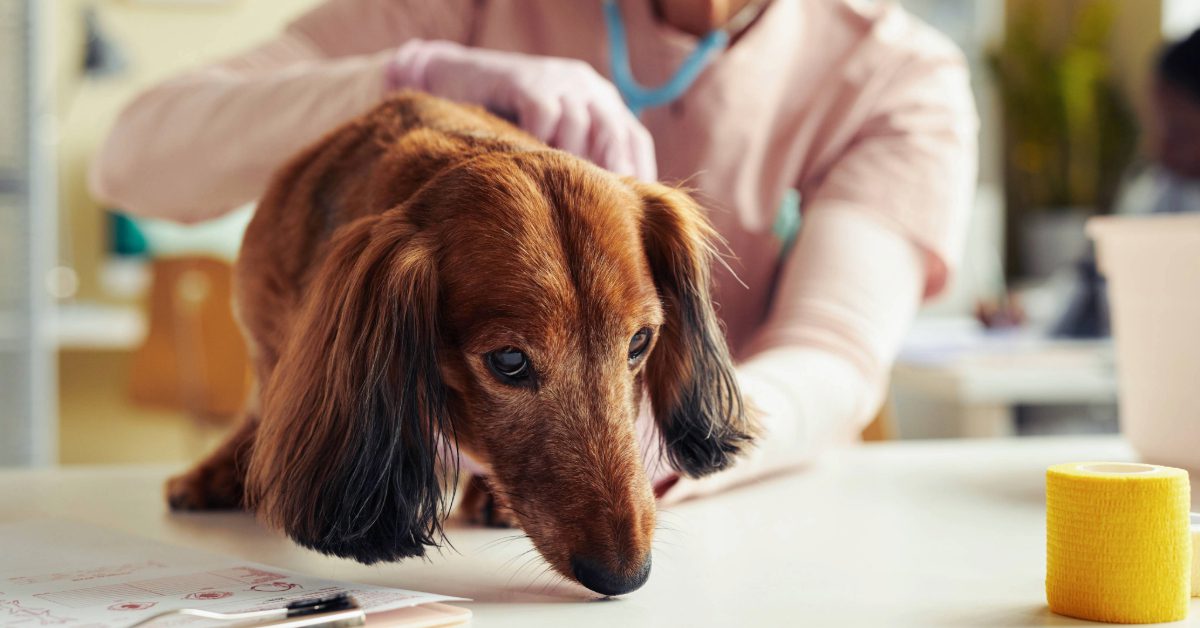
Comprehensive Physical Exam
The physical exam is the foundation of every senior dog wellness exam, giving your veterinarian a full picture of how your dog’s body is holding up over time. This portion looks closely at systems that commonly shift with age.
What Gets Checked
During a senior dog wellness exam at Kryder & Harr Veterinary Clinic, your veterinarian typically evaluates:
- Weight and body condition, since older dogs can gain or lose weight gradually without owners noticing
- Heart and lungs, listening for murmurs or changes in rhythm that become more common with age
- Teeth and gums, checking for dental disease that can worsen quickly in senior dogs
- Joints and muscle tone, looking for early signs of arthritis or muscle loss
- Skin, coat, and any new lumps or growths
- Eyes and ears, for age-related cloudiness, hearing loss, or infection
Why Aging Dogs Need Extra Attention
A younger dog’s body tends to compensate well for minor issues, but older dogs have less reserve. A small change that would go unnoticed in a two-year-old can signal something meaningful in a ten-year-old. This is part of why a senior dog wellness exam often takes a bit longer than a standard adult checkup, since your veterinarian is looking for subtler shifts.
Avoiding Interference Before the Visit
Do not give your dog pain relievers, joint supplements, or calming aids right before a senior dog wellness exam unless your veterinarian has specifically told you to continue them. Masking discomfort or anxiety, even unintentionally, can make it harder for your veterinarian to get an accurate read on how your dog is really doing.
Chronic Pain Assessment
Pain assessment is a critical part of any senior dog wellness exam, since older dogs are especially good at hiding discomfort that has become part of their daily routine. What looks like normal slowing down can sometimes be chronic pain your dog has simply adapted to.
Signs Veterinarians Watch For
Chronic pain in senior dogs does not always look dramatic. Subtle indicators include:
- Reluctance to jump onto furniture or into the car
- Slower rising after lying down
- Reduced interest in walks or play
- Licking or chewing at a specific joint or area
- Changes in posture or gait
How Pain Gets Evaluated
Your veterinarian will observe how your dog moves, gently manipulate joints to check for discomfort, and ask detailed questions about your dog’s activity level at home. Because pain in senior dogs is often chronic rather than sudden, your day-to-day observations carry real weight during a senior dog wellness exam. Bringing specific examples, like hesitating on stairs or struggling to get into the car, gives your veterinarian something concrete to evaluate.
What Not to Do Beforehand
Avoid giving your dog pain medication on the morning of the appointment in an attempt to make them more comfortable for the car ride or exam. Doing so can mask the very signs your veterinarian needs to assess, making it harder to gauge how much pain your dog is actually managing day to day.
Screening for Cognitive Dysfunction
Cognitive changes are a common but often overlooked part of a senior dog wellness exam, since confusion or forgetfulness can be mistaken for a dog simply “getting old” rather than something worth discussing.
Recognizing the Signs
Canine cognitive dysfunction shares similarities with cognitive decline in aging people. Signs that may come up during a senior dog wellness exam conversation include:
- Disorientation, such as getting stuck in corners or staring at walls
- Changes in sleep patterns, including restlessness at night
- Reduced interest in family members or previously enjoyed activities
- House-training accidents in a previously reliable dog
- Increased anxiety or pacing
How Veterinarians Approach Screening
There is no single test for cognitive dysfunction, so your veterinarian relies heavily on the history you provide alongside the physical exam. Describing specific behavior changes, even ones that seem minor or embarrassing, helps your veterinarian distinguish cognitive decline from other conditions that can look similar, such as pain, vision loss, or hearing loss.
Keep Your Dog’s Routine Normal Beforehand
Try not to change your dog’s environment, feeding schedule, or routine drastically right before a senior dog wellness exam. A disrupted routine can temporarily worsen signs of confusion or anxiety, making it harder to separate normal reaction to change from an underlying cognitive issue.
Quality of Life Assessment
A quality of life assessment is one of the most meaningful parts of a senior dog wellness exam, since it looks beyond individual symptoms to how your dog is experiencing daily life as a whole.
What This Conversation Covers
Your veterinarian will typically ask about your dog’s appetite, mobility, engagement with the family, comfort level, and overall demeanor. These conversations help identify whether small, individually minor issues are adding up to a bigger impact on your dog’s happiness and comfort.
Why This Matters for Aging Dogs
A dog with mild arthritis, early cognitive changes, and slightly reduced appetite might not seem alarming when each issue is considered on its own. Taken together during a senior dog wellness exam, though, these factors can paint a clearer picture of how your dog is truly doing and what support might help most.
Be Honest About What You’ve Observed
Do not downplay or gloss over changes you have noticed simply because they seem minor or because your dog still “seems happy overall.” Honest, detailed input about appetite, mobility, and behavior gives your veterinarian the full picture needed to make helpful recommendations.
Better Care for Senior Dogs
Consistent senior dog wellness exams give aging dogs the best possible chance at a comfortable, well-supported later life. The combination of physical exam, pain assessment, cognitive screening, and quality of life discussion works together rather than as separate checkboxes.
Building a Long-Term Plan
Based on what comes up during a senior dog wellness exam, your veterinarian may recommend bloodwork, imaging, dietary adjustments, joint support, or changes to your dog’s daily routine. Because senior dogs can change meaningfully in a short amount of time, many veterinarians recommend these exams every six months rather than annually.
Making the Most of Each Visit
A few habits help senior dog wellness exams go smoothly:
- Keep a simple log of changes in appetite, mobility, or behavior between visits
- Bring a current list of medications and supplements
- Note any recent falls, stumbles, or hesitation with stairs or furniture
- Avoid introducing new medications or supplements right before the visit without checking first
Partnering With Your Veterinary Team
Aging is not something to manage alone. Kryder & Harr Veterinary Clinic works alongside owners to adjust care as a dog’s needs change, rather than waiting for a crisis to prompt a new conversation.
Your Senior Dog Still Has Good Years Ahead
Watching a beloved dog slow down can be hard to accept, but a senior dog wellness exam is one of the most effective tools for making those later years as comfortable as possible. Early attention to pain, cognition, and overall quality of life often opens up more options than waiting until symptoms become impossible to ignore.
Kryder & Harr Veterinary Clinic in Granger, IN, understands the unique needs of aging dogs and is here to help your senior companion thrive. Call us at (574) 277-6533! Bring your questions, your observations, and your dog, and let our team build a plan suited to this stage of life together.
Recent Posts
About Us
Welcome to Kryder & Harr Veterinary Clinic! Our animal hospital has been a fixture in the Granger community since 1981, practicing full-service veterinary medicine for all our pet parents and their furry family members. At KHVC, we pride ourselves on our history, of providing excellent customer service for our clients, along with dedicated, compassionate, and exceptional medical care for all of our patients.