
Yes, dogs can get hives, and the raised, itchy welts can appear within minutes or hours of exposure. The main cause of hives in dogs is an allergic reaction, most often to an insect sting, a food ingredient, a medication, a vaccine, or something in the environment. Most owners are startled the first time they run a hand over a dog’s coat and feel a crop of bumps that were not there yesterday. Hives in dogs often fade quickly, but they can also be an early sign of a stronger reaction, so they deserve a closer look. In this blog, Kryder & Harr Veterinary Clinic in Granger, IN, explains what hives look like, what sets them off, how veterinarians work out the trigger, and what recovery involves.
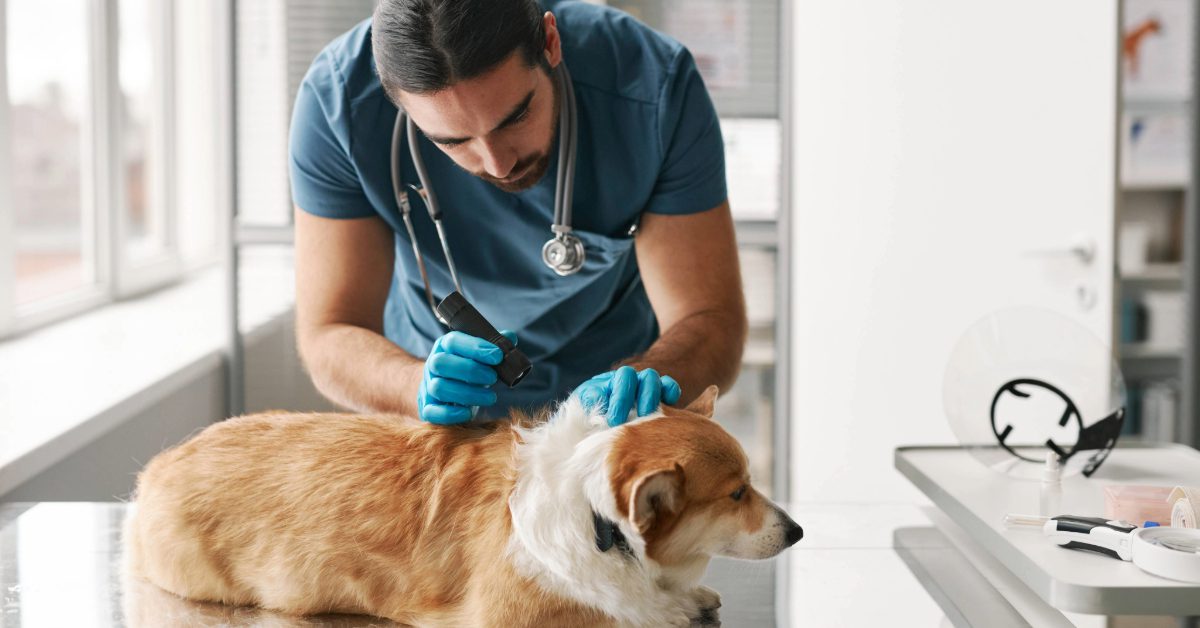
What Are Hives in Dogs, and How Do You Spot Them?
Hives, called urticaria by veterinarians, are raised, swollen patches in the skin caused by the body’s allergic response. They can pop up on one small area or spread across the whole body.
How Hives Form
When a dog’s immune system meets something it treats as a threat, it releases histamine and other chemicals. These cause tiny blood vessels in the skin to leak fluid, and that fluid creates the puffy welts. This is why hives in dogs can appear so suddenly and sometimes vanish just as fast.
Symptoms to Watch For
Dog hives can be easy to miss under a thick coat, so texture and behavior often give the first clue. Look for:
- Round or oval bumps that rise above the skin
- Fur that stands up in small clumps over the welts
- Redness or warmth on the skin underneath
- Scratching, rubbing, or licking at the affected areas
- Swelling around the face, eyelids, lips, or muzzle
- Restlessness or trouble getting comfortable
Short-coated breeds tend to show hives in dogs more clearly, since the bumps are visible right on the skin. In long-haired dogs, you may notice them only when petting or bathing.
Hives vs. Other Skin Problems
Bumps do not always mean hives. Flea bites, hot spots, infections, and mange can all look similar at first glance. Hives usually come on quickly, and individual welts often shift or fade within a day, while other skin conditions tend to linger. Telling the difference by eye alone is tough, which is one reason a veterinary exam is worthwhile.
What Causes Hives in Dogs?
Hives in dogs usually trace back to an allergen, meaning a substance the immune system overreacts to. The specific culprit varies widely from dog to dog, and sometimes it never gets pinpointed.
Insect Stings and Bites
Bees, wasps, hornets, spiders, and biting flies are frequent triggers, especially during warm months when dogs spend more time outdoors. A curious nose or paw investigating a buzzing insect is a classic setup. Facial hives and swelling right after a sting are common.
Food and Medication Reactions
Some dogs react to proteins in their meals, such as chicken, beef, dairy, or wheat, and treats can be just as responsible as the main diet. Certain medications and vaccines can also prompt hives in dogs, typically shortly after administration. Vaccine reactions are uncommon, but veterinary teams watch for them, and it helps to tell your veterinarian about any past reaction.
Environmental Triggers
Pollen, grasses, mold, dust, and shampoos or cleaning products can all cause skin reactions. Contact with certain plants may do it too. Because many of these exposures happen in everyday life, the trigger is not always obvious.
Other Contributing Factors
Less often, hives develop from other sources:
- Heat, cold, or sunlight exposure
- Stress or intense exercise
- Underlying illness or infection
- Parasites such as fleas
- Chemical exposure from lawn products
Some dogs are more allergy-prone than others, and dogs with a history of skin or food sensitivities may see repeat episodes. Any time hives appear alongside vomiting, drooling, pale gums, or labored breathing, treat it as an emergency and head to Kryder & Harr Veterinary Clinic right away. Severe allergic reactions can progress quickly.
How Do Vets Diagnose and Treat Hives in Dogs?
Veterinarians diagnose hives in dogs through a detailed history and physical exam, then tailor treatment to how severe the reaction is and what caused it. Since some reactions are mild and others are urgent, a professional assessment gives you clear direction.
The Diagnostic Process
Your veterinarian will ask questions that may seem detailed but matter a great deal. What did your dog eat today? Was there time outdoors, a new product, a recent vaccine, or a possible insect encounter? When did the bumps first show up? Your answers often point toward the trigger. Next comes a full exam of the skin, face, mouth, and breathing. Depending on what our team finds, we may suggest:
- Skin cytology or scrapings to rule out infection or mites
- Bloodwork if illness is a concern
- A food trial to test for a dietary trigger
- Allergy testing when reactions keep returning
At Kryder & Harr Veterinary Clinic, our veterinary team looks at the whole picture rather than the welts alone, since the goal is to find and address the source.
Treatment for Hives in Dogs
Treatment depends on severity. Mild cases may resolve once the trigger is removed, while more significant reactions call for prescription medication given under veterinary direction. A dog with facial swelling or breathing changes may need urgent care, including injections and monitoring at the clinic. Ongoing or recurring cases may lead to a longer-term allergy plan.
Please do not give your dog human allergy medicine or any leftover prescription without speaking to your veterinarian first. Doses that are safe for people can be dangerous for dogs, and some products contain added ingredients that are toxic to pets. A quick phone call is always the safer path.
Recovery and Management of Hives in Dogs
Most dogs recover from hives in dogs within hours to a couple of days once the trigger is gone and any needed treatment is underway. Long-term success depends on understanding what caused the episode and how to avoid it.
What Recovery Looks Like
The welts typically flatten, itching eases, and the coat settles back to normal. Your veterinarian may ask you to watch your dog for any return of swelling or new symptoms and to report back. If the reaction was significant, a recheck visit helps confirm your dog is fully back to normal.
Managing Future Risk
Once a likely cause is identified, prevention becomes much easier. Depending on the trigger, your veterinarian may suggest:
- Avoiding a specific food, treat, or product
- Adjusting parasite prevention
- Choosing different medications or vaccine timing in the future
- Limiting exposure to known environmental irritants
- Creating a plan for what to do if a reaction happens again
Jot down what your dog ate, where you went, and what products you used around the time of any episode. A simple record like this can help your veterinary team spot patterns that are hard to see in the moment.
Know Your Emergency Plan
If your dog has had hives before, ask your veterinarian what would warrant an urgent visit and which emergency hospital is closest to your home. Having that answer ready means no scrambling if a reaction ever takes a serious turn.
Bumps, Welts, and Worried Pet Parents: We Can Help
Finding hives on your dog can feel alarming, but you do not need to work through it alone. Some episodes pass quickly, and others point to something worth managing over time. Either way, a professional opinion replaces guesswork with a plan. If your dog has developed itchy welts, sudden facial swelling, or a pattern of skin reactions, our team at Kryder & Harr Veterinary Clinic in Granger, IN, welcomes your call. We will examine your dog, talk through likely triggers, and map out next steps that suit your pet and your household. Call (574) 277-6533 today, and let us help your dog get back to feeling comfortable in their own skin.
Recent Posts
About Us
Welcome to Kryder & Harr Veterinary Clinic! Our animal hospital has been a fixture in the Granger community since 1981, practicing full-service veterinary medicine for all our pet parents and their furry family members. At KHVC, we pride ourselves on our history, of providing excellent customer service for our clients, along with dedicated, compassionate, and exceptional medical care for all of our patients.