
You can tell a dog has a fever by taking its temperature: a healthy dog runs about 101°F to 102.5°F, and a reading above 103°F counts as a fever. Warm ears, a hot nose, and a dull mood can hint at one, but those clues are unreliable on their own. Many dog owners have pressed a hand to a nose and wondered if it felt too warm, and that guess is right about as often as a coin toss. Fever in dogs is a sign that the body is fighting something, not a disease itself. This blog from Kryder & Harr Veterinary Clinic in Granger, IN, covers how to recognize the signs, what commonly triggers a fever, when to call for help, and how veterinarians approach care.
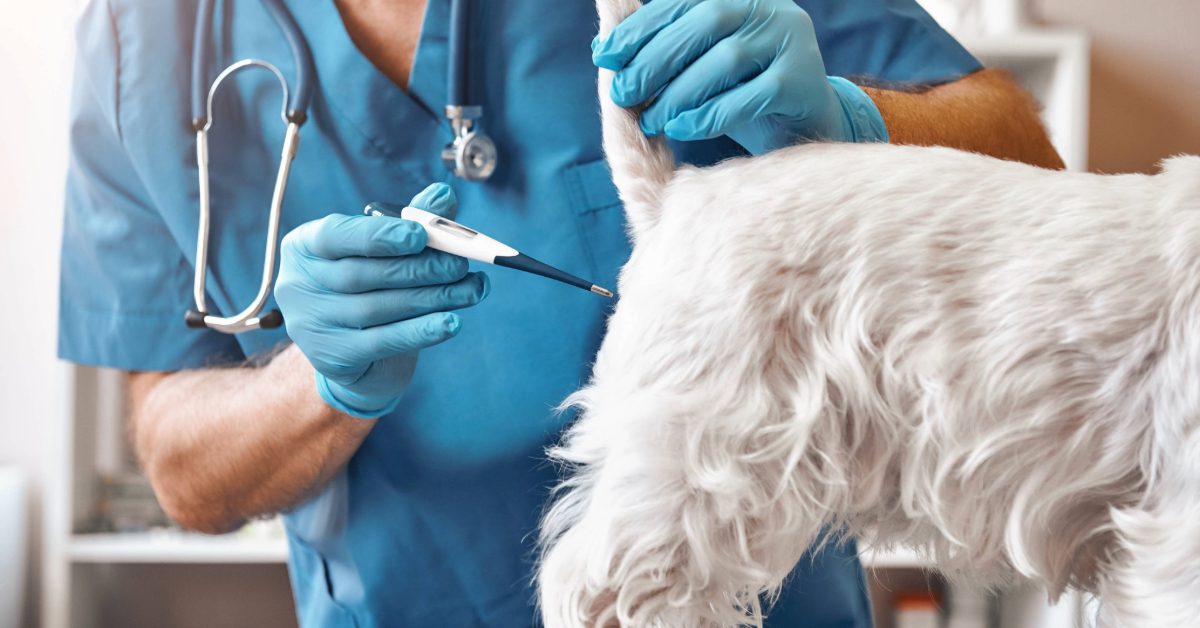
How to Tell If a Dog Has a Fever
The only dependable way to confirm fever in dogs is a thermometer reading, because touch and appearance can mislead. Dogs naturally run warmer than people, so a dog can feel hot to you while sitting well within a normal range.
What Is a Normal Temperature for a Dog?
A typical dog temperature falls between 101°F and 102.5°F. Anything over 103°F is considered a fever, and readings of 106°F or higher are a true emergency that can damage organs. Puppies, seniors, and dogs with existing health conditions can decline faster, so any elevated reading in these groups merits a prompt call.
Signs That Suggest Fever in Dogs
Since dogs cannot tell you they feel unwell, watch their behavior and body language. Fever in dogs commonly shows up as:
- Lethargy or unusual sleepiness
- Loss of appetite
- Shivering or trembling
- Warm, red-looking ears or eyes
- Panting when the dog has not been active
- Coughing, nasal discharge, or vomiting
- Reluctance to move, play, or climb stairs
Why the “Warm Nose” Test Falls Short
A dry or warm nose has long been treated as proof of fever, but it says very little. Nose moisture shifts with sleep, weather, and hydration. Ears and paws can also feel warm after a nap in a sunny spot. If your dog seems off, a veterinary team can measure temperature accurately and look at the bigger picture.
Fever vs. Overheating
Fever and heatstroke both raise body temperature, but they are different problems. Fever comes from inside the body, usually in response to illness. Heatstroke comes from the outside, such as a hot car, a warm afternoon, or heavy exercise. Both can be dangerous, and both call for a quick phone call to a veterinarian.
What Causes Fever in Dogs?
Fever in dogs develops when the immune system raises the body’s temperature to fight an invader or respond to inflammation. Because so many conditions can do this, the cause is rarely obvious without an exam.
Infections
Bacterial, viral, fungal, and parasitic infections are among the most frequent reasons for fever in dogs. Ear infections, skin wounds, urinary tract infections, dental abscesses, and respiratory illness can all raise a dog’s temperature. Tick-borne diseases, which Indiana dogs can encounter, may also cause fever along with joint pain and low energy.
Inflammation and Immune Conditions
Not every fever means an infection. Inflammatory problems such as pancreatitis, arthritis flare-ups, and immune-mediated disease can raise body temperature too. In these cases, fever in dogs may come and go, which makes a full workup important.
Vaccines, Medications, and Toxins
Some dogs run a mild, short-lived fever after a vaccination, which usually passes quickly. Certain medications can also cause a temperature rise. Exposure to toxic substances, such as spoiled food, certain plants, or household chemicals, may bring on fever along with other symptoms. If you suspect your dog swallowed something harmful, call your veterinarian or an animal poison hotline right away.
Other Possible Sources
A few less common causes include:
- Tumors or other growths
- Abscesses from bites or puncture wounds
- Kidney or liver problems
- Bone or joint infections
- Fevers with no identifiable cause, sometimes called fever of unknown origin
That last category surprises many owners. Sometimes a dog’s fever persists even after basic testing, and our veterinary team needs to dig deeper to find the source.
What to Do If Your Dog Has a Fever
If you suspect fever in dogs, call your veterinarian promptly and describe what you are seeing. Fever is a signal that something needs attention, and a phone call gives you clear direction on how urgent the situation is.
When to Call the Clinic Right Away
Reach out the same day if your dog shows any of the following alongside a suspected fever:
- A temperature of 103°F or higher
- Refusing food or water
- Vomiting or diarrhea
- Labored breathing or heavy coughing
- Extreme tiredness or trouble standing
- Pale gums, a swollen belly, or obvious pain
Puppies, senior dogs, and pets with chronic conditions should be evaluated even faster, since they can worsen quickly.
What to Tell Your Veterinary Team
Details help. Before you call Kryder & Harr Veterinary Clinic or any veterinary hospital, think through when your dog last acted normal, what symptoms have appeared, whether your dog has been around other animals, and whether there were any recent trips, wounds, tick exposure, or new foods. Mention any medications or supplements too. This background helps our team decide how soon to see your dog and what to look for.
What Not to Do
Well-meaning owners sometimes reach for the medicine cabinet, and that can turn a manageable situation into an emergency. Human fever reducers such as acetaminophen and ibuprofen can be toxic to dogs, damaging the liver, kidneys, or stomach. Do not give any medication unless your veterinarian tells you to. If your veterinarian wants you to monitor your dog at home before a visit, follow their specific instructions.
Emergency Situations
Head to an emergency veterinary hospital immediately if your dog collapses, has seizures, struggles to breathe, or has a very high temperature. Do not wait for a routine appointment in these situations, since time matters.
Dog Fever Treatment: How Veterinarians Help
Veterinarians treat fever in dogs by finding and addressing the underlying cause, because lowering the number on the thermometer does not fix what is driving it. A targeted plan protects your dog and avoids unnecessary medication.
The Diagnostic Process
Our veterinary team will begin with a physical exam and confirm your dog’s temperature. We will also ask about symptoms, vaccination history, travel, and possible exposures. Depending on the findings, our team at Kryder & Harr Veterinary Clinic may recommend:
- Bloodwork to check for infection, inflammation, and organ function
- Urinalysis to look for urinary tract problems
- Tests for tick-borne or other infectious diseases
- X-rays or ultrasound to look inside the chest or abdomen
- Cultures or cytology from wounds, ears, or skin
Each test narrows the list of possibilities, and results often guide the next step within a day or so.
Treatment Options
Care depends on the diagnosis. Bacterial infections may need prescription antibiotics, and other causes call for different medications. Dogs that are dehydrated or not eating may benefit from fluids and supportive care at the clinic. Abscesses or foreign material may need a procedure. If a medication reaction or toxin exposure is involved, treatment focuses on removing the trigger and supporting the body while it recovers. Your veterinarian will explain the plan, the medications involved, and how to give them correctly.
Recovery and Follow-Up
Many dogs feel better within a few days once treatment begins, though timing varies with the cause. Finish any prescribed medication exactly as directed, even if your dog seems back to normal sooner, and keep your recheck appointments. A follow-up visit lets your veterinarian confirm that the temperature has returned to normal and that the underlying problem is truly resolved. If your dog’s symptoms return, call the clinic promptly.
A Hot Dog Deserves a Prompt Answer
Fever in dogs can feel like a mystery, especially when your pet still wags a tail but refuses breakfast. The good news is that you do not have to solve it alone. A quick call and a professional exam turn worry into a plan, and early action often means gentler treatment and a faster return to normal. If your dog seems lethargic, feels unusually warm, or is just not acting like themselves, call Kryder & Harr Veterinary Clinic at (574) 277-6533.

Recent Posts
About Us
Welcome to Kryder & Harr Veterinary Clinic! Our animal hospital has been a fixture in the Granger community since 1981, practicing full-service veterinary medicine for all our pet parents and their furry family members. At KHVC, we pride ourselves on our history, of providing excellent customer service for our clients, along with dedicated, compassionate, and exceptional medical care for all of our patients.