
The best way to treat nasal discharge in cats is to have your veterinarian find the cause, because a runny nose can come from a virus, bacteria, allergies, or even a foreign object, and each one needs a different approach. Treating a cat at home without knowing the source can prolong the problem. Every cat owner has wiped a sniffly nose at some point, and a single sneeze or two is usually nothing to worry about. Persistent or colored discharge tells a different story. This guide from Kryder & Harr Veterinary Clinic in Granger, IN, walks through what causes nasal discharge in cats, how to read the other signs your cat may show, when a phone call is warranted, and what veterinarians do to diagnose and treat the problem. You will also find practical ways to lower your cat’s risk of respiratory trouble.
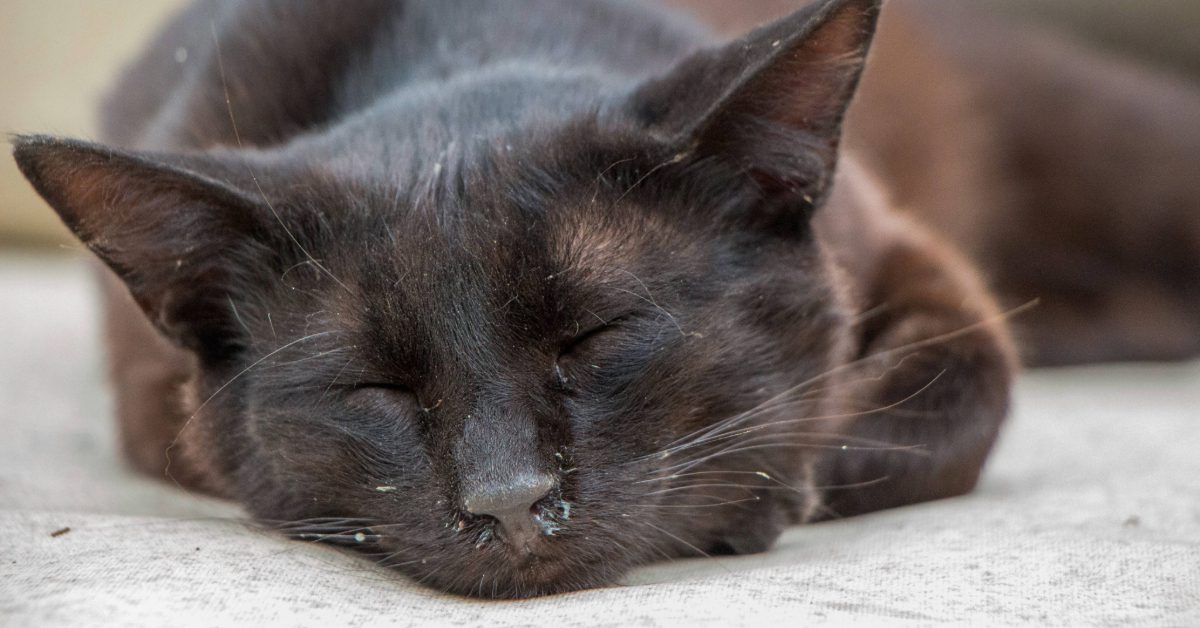
What Causes Nasal Discharge in Cats?
Nasal discharge in cats is a symptom, not a diagnosis, and it can start in the nose itself or spread from deeper in the respiratory tract. Cats are good at hiding discomfort, so a wet nose that lingers is worth attention.
Infections
Upper respiratory infections are the most common reason cats develop a runny nose. They spread easily in shelters, multi-cat homes, and boarding settings, and kittens tend to be hit hardest. Nasal discharge in cats with an infection often begins clear and may turn thicker or colored as the illness progresses.
Allergies and Irritants
Cats can react to pollen, dust, mold, cigarette smoke, scented litter, and household sprays. Allergic nasal discharge in cats is usually clear and may come with sneezing or watery eyes. Because the symptoms overlap with infection, an exam is the only reliable way to tell them apart.
Other Possible Causes
Several less common issues can also trigger a runny nose:
- A grass blade or other foreign object lodged in the nasal passage
- Dental disease, since the roots of the upper teeth sit close to the nasal cavity
- Polyps or growths in the nose or throat
- Fungal infections
- Structural problems, especially in flat-faced breeds such as Persians
- Trauma to the face or nose
Some of these causes are rare, but they are the reason a lingering runny nose should not be brushed off.
Viral vs. Bacterial Infections in Cats
Viruses cause most feline respiratory infections, and bacteria often join in afterward. Knowing the difference helps explain why some cats recover quickly while others keep relapsing.
Common Viral Culprits
Feline herpesvirus and feline calicivirus are the two main viral causes. Both spread through direct contact, shared bowls, sneezing, and contaminated surfaces. Nasal discharge in cats with these viruses often comes with sneezing, watery eyes, and a lower appetite. Herpesvirus can also stay dormant in a cat’s body and flare up during stressful times, which is why some cats seem to catch a “cold” over and over.
Bacterial Infections
Bacteria such as Bordetella and Chlamydia felis can cause respiratory illness on their own, and other bacteria may take advantage of an irritated nose during a viral infection. Thick, yellow, or green discharge can suggest a bacterial component, though color alone does not confirm it. Only testing gives a firm answer.
Why the Distinction Matters
Antibiotics work against bacteria but not viruses. That is one reason you should never give leftover medications to your cat. Your veterinarian decides whether medication is appropriate and which kind fits the situation.
Accompanying Symptoms and What They Might Mean
The company nasal discharge keeps often points toward the cause. Noting what else is going on gives your veterinarian useful clues, so pay attention to the full picture rather than the nose alone.
Signs That Often Appear Together
Watch for these companions of a runny nose:
- Sneezing fits, which are common with infections and irritants
- Watery or crusty eyes, often linked to viral illness
- Sores or ulcers in the mouth, which can appear with calicivirus
- Snoring or noisy breathing from a congested nose
- Reduced appetite, since cats rely heavily on smell to eat
- Lethargy or hiding
- Drooling or pawing at the face
What the Discharge Itself Tells You
Clear, watery discharge is more typical of allergies, irritants, or early viral illness. Thick yellow or green discharge may point to infection. Discharge from only one nostril raises the possibility of a foreign object, a dental problem, or a growth. Blood-tinged discharge always deserves prompt attention.
When to Call the Vet About Nasal Discharge in Cats
Call your veterinarian if your cat’s runny nose lasts more than a few days, or sooner if other symptoms appear. Waiting is riskier for kittens, seniors, and cats with existing health conditions.
Reach out promptly for any of these:
- Discharge that is thick, colored, bloody, or coming from one nostril
- Open-mouth breathing, wheezing, or visible effort to breathe
- Refusing food for a day or more
- Eye discharge with squinting or swelling
- Lethargy or hiding more than usual
- Symptoms that keep coming back
Trouble breathing is an emergency. Do not wait for an appointment slot if your cat is struggling for air, and contact Kryder & Harr Veterinary Clinic or the nearest emergency animal hospital right away.
Diagnosis and Treatment of Nasal Discharge in Cats
Veterinarians treat nasal discharge in cats by identifying the cause first, then tailoring care to that cause. This approach spares your cat unnecessary medications and helps the plan work the first time.
How Veterinarians Find the Cause
Your veterinarian will ask when the discharge began, whether your cat lives indoors or outdoors, and whether other pets are affected. A physical exam checks the nose, eyes, mouth, and lungs. Depending on the findings, our team at Kryder & Harr Veterinary Clinic may recommend:
- Testing for specific viral or bacterial infections
- Bloodwork to assess overall health
- A dental exam, and sometimes dental imaging
- Chest or skull X-rays
- Rhinoscopy or other imaging in stubborn cases
Treatment Options
Treatment follows the diagnosis. Some infections need prescription medication, and others call for supportive care such as help with hydration and nutrition. Allergies and irritants are managed by identifying and reducing exposure. Foreign objects and growths may require a procedure. Please do not use human cold medicines, essential oils, or over-the-counter products on your cat, as many are toxic to felines. Your veterinarian will give you safe, specific instructions for your cat’s situation.
Prognosis for Cats With a Runny Nose
Most cats with a runny nose recover well, though the outlook depends on the cause. A mild viral infection in a healthy adult cat often clears within one to three weeks. Bacterial infections usually improve quickly once properly treated.
Some cats need longer-term support. Cats carrying herpesvirus may have occasional flare-ups, particularly when stressed, and chronic nasal inflammation can require ongoing management. Kittens and senior cats can take longer to bounce back and are more likely to need close monitoring. Follow-up visits give your veterinarian a chance to confirm the problem is resolving and adjust care when it is not.
How to Prevent Respiratory Issues in Cats
Prevention starts with routine veterinary care and a clean, low-stress home. You cannot eliminate every sniffle, but a few steps make a real difference:
- Keep vaccinations current, since core vaccines help protect against common feline respiratory viruses
- Schedule regular wellness exams so early changes get caught
- Separate new or sick cats from others until your veterinarian clears them
- Wash food bowls, bedding, and shared surfaces regularly
- Avoid smoke, strong fragrances, and dusty litter
- Reduce stress with hiding spots, predictable routines, and enough resources for every cat
- Ask your veterinarian about dental care, since oral health affects the nose
A Sniffle Is Your Cat’s Way of Asking for Help
Cats rarely complain, so a runny nose may be the only message you get that something is off. A quick call now often prevents a longer illness later, and it gives you peace of mind while you wait for answers. If your cat has been sneezing, sniffling, or dripping from the nose, our team at Kryder & Harr Veterinary Clinic in Granger, IN, is here to help. We will examine your cat, explain what we find in plain language, and recommend a plan suited to your family. Call us at (574) 277-6533 to schedule a visit and help your cat breathe easy again.

Recent Posts
About Us
Welcome to Kryder & Harr Veterinary Clinic! Our animal hospital has been a fixture in the Granger community since 1981, practicing full-service veterinary medicine for all our pet parents and their furry family members. At KHVC, we pride ourselves on our history, of providing excellent customer service for our clients, along with dedicated, compassionate, and exceptional medical care for all of our patients.