
Proper dental care does more than freshen breath. For dogs and cats alike, oral health can impact everything from eating habits to organ function. While it’s easy to overlook pet dental care during routine visits, the condition of your pet’s teeth and gums offers a clear window into their overall health. Dental disease can progress quietly, often without obvious signs until it becomes advanced. In this blog, we’ll explore how regular dog teeth cleaning, along with dental care for cats, supports whole-body wellness—and how Kryder + Harr Veterinary Clinic can help you stay ahead of dental disease.
What Happens When Pet Dental Care Is Ignored?
Dental disease is one of the most common medical conditions diagnosed in pets. It typically begins with plaque buildup and can progress to gingivitis, tooth loss, and even systemic infection.
The Progression of Dental Disease
Bacteria in your pet’s mouth accumulate and harden into tartar, which pushes beneath the gumline. This leads to inflammation (gingivitis), periodontal disease, and pain. Over time, the gums recede, the bone supporting the teeth weakens, and teeth loosen or fall out.
More Than Just Bad Breath
Many pet owners think bad breath is normal, but it’s often the first sign of a dental issue. Left untreated, bacteria can enter the bloodstream and affect major organs, including the heart, kidneys, and liver. That’s why dog teeth cleaning and feline dental care are so important—they help protect your pet’s entire body.
Signs Your Pet May Have Dental Problems
Cats and dogs are good at hiding pain. That’s why subtle changes in behavior or eating habits may be your only early clues that something is wrong. Watch for:
- Bad breath
- Drooling or dropping food
- Pawing at the mouth
- Red, swollen, or bleeding gums
- Yellow or brown tartar on the teeth
- Avoidance of chew toys or hard food
If your pet is showing any of these symptoms, it’s time to schedule a dental exam. Regular dog teeth cleaning and cat dental evaluations at Kryder + Harr Veterinary Clinic can help identify problems before they progress.
How Dog Teeth Cleaning and Cat Dental Care Work
A professional dental cleaning does far more than brushing at home. It allows our veterinary team at Kryder + Harr Veterinary Clinic to perform a thorough evaluation and remove plaque and tartar from above and below the gumline.
What’s Included in a Veterinary Dental Cleaning?
At Kryder + Harr Veterinary Clinic, dental cleanings involve:
- Pre-anesthetic bloodwork
- Full mouth exam under anesthesia
- Scaling to remove tartar
- Polishing to smooth the enamel and slow plaque buildup
- Dental X-rays to check for hidden disease below the gumline
- Extractions if necessary (only performed when teeth are damaged or infected)
Each step is tailored to your pet’s individual health needs, and anesthesia is carefully monitored throughout the procedure.
The Role of At-Home Dental Care
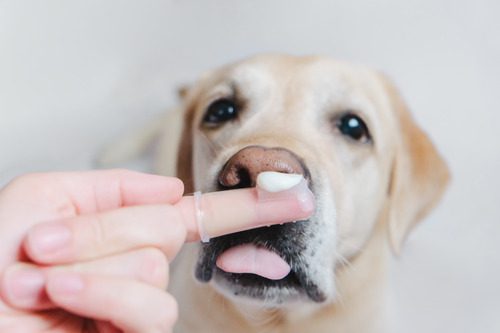
While professional dog teeth cleaning is essential, what you do at home also matters. Brushing, dental chews, and diets formulated for oral health can help control plaque between cleanings.
Brushing Tips for Success
Daily brushing remains the gold standard in home dental care. Use a pet-safe toothbrush and toothpaste—never human toothpaste, which contains ingredients that can harm pets. Start slowly and make it a positive experience by rewarding your pet after each session.
Alternatives When Brushing Isn’t Possible
If brushing isn’t an option, your veterinarian can recommend dental chews, oral rinses, or prescription diets designed to support dental health. These tools don’t replace professional cleanings but can help reduce plaque buildup.
Dental Care for Cats: Why It Matters Just as Much
While dogs are often the focus of dental discussions, cats are equally at risk for dental issues—including some that are unique to them. Cats can develop:
- Gingivitis and periodontal disease
- Tooth resorption, where the tooth breaks down and is reabsorbed
- Stomatitis, a painful inflammation of the mouth’s soft tissues
These conditions can be difficult to detect without a dental exam, which makes regular checkups and cleanings critical.
Tailored Dental Plans for Cats
At Kryder + Harr Veterinary Clinic, we adjust dental care plans based on each cat’s temperament, medical history, and risk factors. Whether it’s routine cat teeth cleaning or treatment for a painful condition, our team works to make the process as smooth and stress-free as possible.
Why Routine Exams Are Key to Early Detection
Annual wellness exams include a dental evaluation, which allows your veterinarian to spot changes in your pet’s mouth early—before pain, tooth loss, or infection sets in. Most dental disease occurs below the gumline. That’s why X-rays are so important. They allow veterinarians to assess the roots of the teeth and the surrounding bone. Oral exams also check for growths, broken teeth, or signs of trauma. By scheduling regular checkups, you give your pet the best chance at a healthy mouth and a healthier life. Call Kryder + Harr Veterinary Clinic in Granger, IN, at (574) 277-6533 to schedule your pet’s next dental appointment today.
Recent Posts
About Us
Welcome to Kryder & Harr Veterinary Clinic! Our animal hospital has been a fixture in the Granger community since 1981, practicing full-service veterinary medicine for all our pet parents and their furry family members. At KHVC, we pride ourselves on our history, of providing excellent customer service for our clients, along with dedicated, compassionate, and exceptional medical care for all of our patients.