
The safest way to treat red dog ears is to have a veterinarian identify the cause first. Red dog ears can point to allergies, infection, ear mites, or something else entirely, and a treatment that helps one cause can make another worse. A proper exam matters more than any guess at home. If your dog’s ears have turned pink or red, you are not alone. It is one of the most common reasons pet owners in Granger, Indiana, call their veterinarian. Red dog ears often show up alongside scratching, head shaking, or an odd smell, and many dogs feel real discomfort even when they hide it well. In this guide, our team at Kryder & Harr Veterinary Clinic explains what red ears mean, the most common causes, how veterinarians approach treatment, and how to lower the odds of a repeat problem. You will also learn which signs mean your dog should be seen soon.
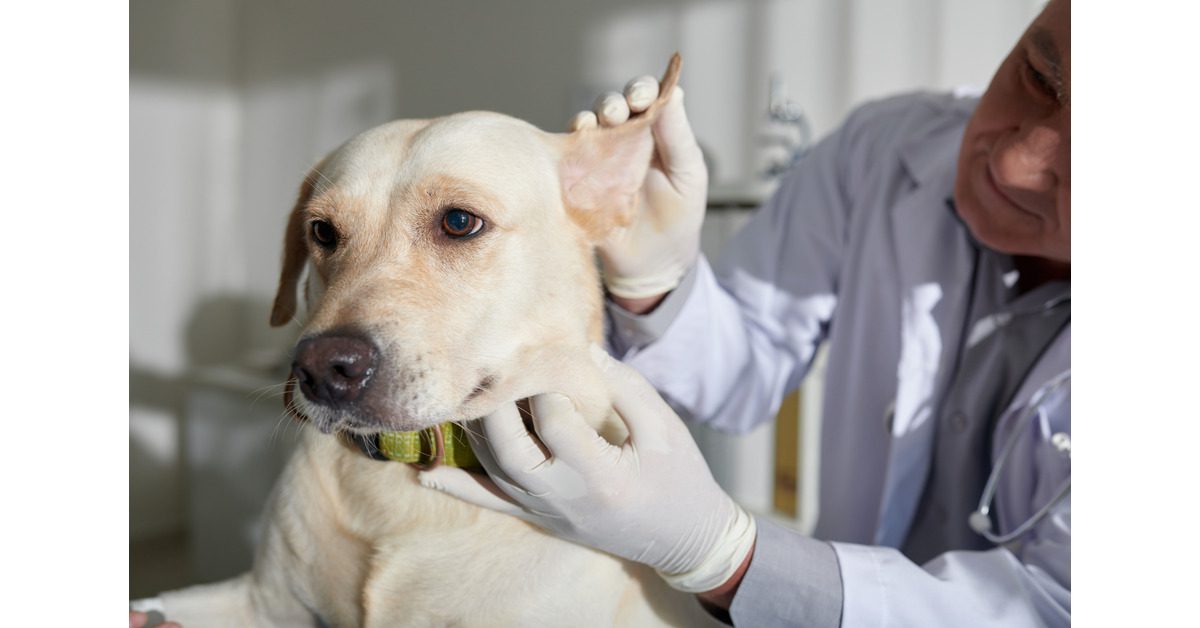
Ear Redness in Dogs: What Do Red Ears Mean?
Red ears are a sign of inflammation, and inflammation always has a reason behind it. Redness is not a disease on its own. It signals that something is irritating the skin inside or around the ear, and finding that something is the key to relief.
What Red Dog Ears Look Like
Healthy dog ears are usually light pink and clean, with little to no odor. Red dog ears may look bright pink, deep red, or even purple-tinged. The redness can appear on the ear flap, inside the ear canal, or both. Sometimes the skin looks swollen or feels warm to the touch. In dogs with dark skin or heavy fur, redness can be harder to spot, so behavior often gives the first clue.
Symptoms That Often Come With Red Dog Ears
Redness rarely travels alone. Watch for these common companion signs:
- Frequent scratching at the ears
- Head shaking or tilting to one side
- Brown, yellow, or black discharge
- A yeasty or foul odor
- Crusty or thickened skin
- Sensitivity or yelping when the ears are touched
Are Red Dog Ears an Emergency?
Not always. Mild pinkness after a bath or a nap may fade on its own. But redness that lasts more than a day or two, or that comes with pain or discharge, deserves a professional look. Ear problems tend to become more uncomfortable the longer they go untreated.
Common Causes of Red Ears in Dogs
Several conditions can lead to red dog ears, and some look nearly identical without a veterinary exam. Here are the causes veterinarians see most often.
Allergies
Allergies are one of the leading causes of red ears in dogs. Dogs can react to food ingredients, pollen, dust mites, and other environmental triggers. Instead of sneezing, many allergic dogs show it in their skin and ears. Red dog ears from allergies often appear in both ears and may come and go with the seasons.
Bacterial and Yeast Infections
Ear infections are extremely common in dogs. The ear canal is warm, dark, and often moist, which makes it a friendly place for bacteria and yeast to overgrow. Infections frequently develop on top of allergies, so red dog ears can turn into a two-part problem. Infected ears tend to smell bad and may produce discharge.
Ear Mites
Ear mites are tiny parasites that live in the ear canal. They are more common in puppies and outdoor pets, and they spread easily between animals. Mites cause intense itching and often leave dark, crumbly debris that resembles coffee grounds. Only your veterinarian can confirm mites, since other conditions look similar.
Other Possible Causes
Foreign objects such as grass seeds, trapped water, skin conditions, hormonal disorders, and growths inside the ear canal can also cause red ears. Because so many conditions overlap, guessing at the cause is risky.
Some dogs face a higher risk than others. These factors can raise the odds of ear trouble:
- Floppy ears, as seen in Basset Hounds and Cocker Spaniels
- Plenty of hair inside the ear canal, as with Poodles and Schnauzers
- Frequent swimming or bathing
- Known skin or food allergies
- Narrow ear canals
How to Treat Red Ears in Dogs
The safest treatment for red dog ears starts with a veterinary exam, because the right approach depends entirely on the cause. That is why there is no one-size-fits-all fix, and why experimenting at home can do more harm than good.
Why Diagnosis Comes First
An infection needs different care than allergies, and mites need something different again. The wrong approach can delay healing, mask symptoms, or irritate skin that is already inflamed. At Kryder & Harr Veterinary Clinic, our veterinary team examines the ear canal, checks the eardrum when possible, and identifies what is driving the redness before recommending a plan.
What Veterinary Treatment May Include
Every dog is different, but a treatment plan for red dog ears may involve several of these steps:
- A thorough ear exam with an otoscope
- Ear cytology, which means viewing a sample under a microscope to identify yeast, bacteria, or mites
- Professional ear cleaning to remove debris
- Prescription ear medication matched to the specific cause
- Allergy management when allergies are behind the problem
- Follow-up visits to confirm the ears have healed
Why Home Remedies Can Backfire
Online advice about vinegar, peroxide, essential oils, or cotton swabs is everywhere, but these approaches can burn sensitive skin, push debris deeper, or hide a serious problem. If the eardrum is damaged, some products can even cause harm inside the middle ear. Skip the guesswork and let a veterinarian guide the plan.
How Long Does Treatment Take?
Simple cases may improve within days to a couple of weeks, while chronic or allergy-related redness can need longer-term management. Your veterinarian will explain what to expect for your dog and when to schedule a recheck.
Prevention Tips for Red Dog Ears
Not every case is preventable, but a few smart habits can lower your dog’s risk. Prevention works best when everyday awareness pairs with regular veterinary support.
Make Ear Checks Part of Your Routine
Take a quick look at your dog’s ears during cuddle time or grooming. You are watching for changes in color, smell, or comfort. Catching red ears early often means a simpler visit and a faster recovery. If something looks different from your dog’s normal, call your veterinarian rather than waiting to see if it passes.
Ask Your Vet About the Right Cleaning Schedule
Some dogs need regular ear cleaning, and others do better with very little. Ask your veterinarian which products and schedule suit your dog’s ear shape, coat, and lifestyle. Using the wrong cleaner, or cleaning too often, can irritate the ear and create new problems.
Manage Moisture and Grooming
Water trapped in the ear canal invites infection. Dogs that swim or get frequent baths may need extra attention afterward, and your veterinarian or groomer can explain what is appropriate for your dog. Breeds with hairy ear canals may also benefit from professional grooming.
Stay on Top of Allergies and Parasite Prevention
Because allergies are such a common trigger, addressing the underlying allergy can cut down on repeat episodes. Year-round parasite prevention also helps protect against mites. Regular wellness exams give your veterinarian a chance to spot early ear changes, discuss diet or environmental triggers, and adjust the plan as your dog ages.
When to See a Vet About Red Dog Ears
Call your veterinarian at Kryder & Harr Veterinary Clinic if redness lasts longer than a day or two, or if your dog seems uncomfortable. Book a visit promptly if you notice discharge, a strong odor, swelling, head tilting, loss of balance, or pain when the ear is touched. Dogs that keep pawing at their ears or shaking their heads also deserve prompt attention, and repeated flare-ups often point to an underlying issue such as allergies.
Ear problems rarely resolve on their own, and early care usually means less discomfort for your dog and fewer visits for you. If your dog’s ears are red, our team at Kryder & Harr Veterinary Clinic in Granger, IN, is ready to help. Call us at (574) 277-6533 to schedule an exam and get your dog back to comfortable, healthy ears.

Recent Posts
About Us
Welcome to Kryder & Harr Veterinary Clinic! Our animal hospital has been a fixture in the Granger community since 1981, practicing full-service veterinary medicine for all our pet parents and their furry family members. At KHVC, we pride ourselves on our history, of providing excellent customer service for our clients, along with dedicated, compassionate, and exceptional medical care for all of our patients.