
Core vaccines protect against rabies, distemper, parvovirus, adenovirus, and leptospirosis, and veterinarians recommend them for every dog. Non-core vaccines, including Bordetella, Lyme, and canine influenza, depend on your dog’s lifestyle and risks. That simple split is the foundation of dog vaccinations in Granger, IN.
At Kryder & Harr Veterinary Clinic, we hear from local dog owners every week who wonder which shots their pups truly need and which ones are optional. Between wooded trails, lakeside parks, busy daycares, and neighborhood meetups, Northern Indiana dogs face a wide range of exposures. This blog below explains core and non-core dog vaccinations in Granger, IN, walks through puppy and adult schedules, and helps you prepare for a productive conversation with your veterinarian. Whether you are raising a new puppy or caring for a senior companion, a little background goes a long way.
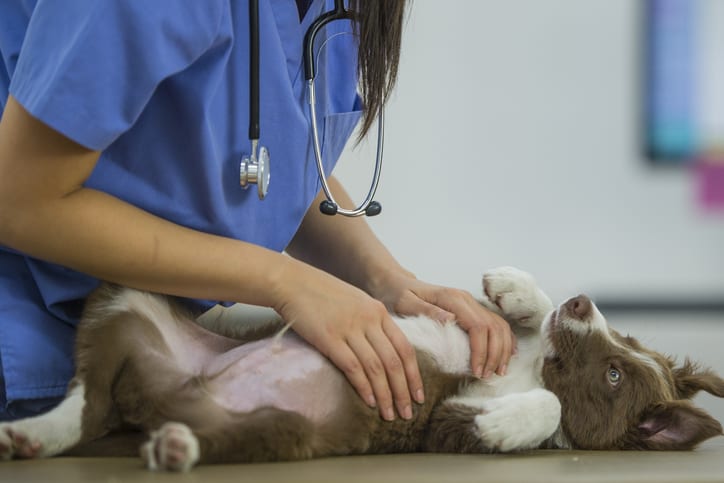
What Vaccines Are Necessary for Dogs? Understanding the Core Five
Core vaccines are the shots veterinary experts recommend for virtually every dog, regardless of breed, age, or lifestyle. They protect against diseases that are severe, widespread, or dangerous to people, so they anchor every plan for dog vaccinations in Granger.
The Four Core Vaccines
- Rabies: A fatal virus that spreads through bites and can infect people. Indiana requires this vaccine for dogs.
- Distemper: A contagious virus that attacks the respiratory, digestive, and nervous systems.
- Parvovirus: A hardy virus that causes severe vomiting and diarrhea, especially in puppies.
- Adenovirus (canine hepatitis): A virus that can damage the liver, kidneys, and eyes.
- Leptospirosis: Guards against bacteria found in contaminated water and wildlife urine.
Many clinics combine distemper, adenovirus, and parvovirus into a single injection, often labeled DHPP or DAPP. Rabies and leptospirosis are given separately.
Why Core Dog Vaccinations in Granger Matter
Parvovirus and distemper spread through shared spaces, contaminated surfaces, and even on shoes or clothing, so your dog does not need to meet another dog to be exposed. Core vaccines also have the strongest track record in veterinary medicine. Diseases like distemper have become far less common because of widespread vaccination, but they still appear whenever community vaccination rates slip. Rabies raises a public health concern, which is why state law and veterinary standards treat it so seriously. A dog who stays current on core protection also helps shield other pets and family members in the community.
Is the Rabies Vaccine Required by Law?
Yes. Indiana requires dogs to be vaccinated against rabies, and local licensing rules may add their own requirements. Proof of vaccination also comes up at boarding facilities, groomers, and training classes. Kryder & Harr Veterinary Clinic provides rabies certificates with your dog vaccinations in Granger so you have documentation ready whenever someone asks for it. If your dog bites someone or is bitten by wildlife, a current rabies record also makes the next steps much simpler for everyone involved.
Which Non-Core Dog Vaccines Should You Consider?
Non-core vaccines protect against diseases that affect some dogs but not others, depending on where they live, travel, and play. This is where dog vaccinations in Granger become personal to each pet.
The Most Common Non-Core Options
- Bordetella (kennel cough): Helps protect against a highly contagious respiratory infection common at boarding, grooming, and daycare facilities.
- Lyme disease: Targets bacteria spread by infected ticks, which live in wooded and grassy areas across the Midwest.
- Canine influenza: Addresses a flu virus that spreads quickly wherever dogs gather.
Why “Non-Core” Does Not Mean “Optional for Everyone”
The label reflects risk, not importance. A dog who rarely leaves a fenced yard has a very different exposure profile than a dog who hikes local trails, swims in ponds, or attends daycare. For that second dog, a non-core vaccine can be just as valuable as a core one.
How Veterinarians Decide
Your veterinarian considers your dog’s age, health history, daily routine, and the disease patterns in the area. That conversation is a normal part of every wellness visit at Kryder & Harr Veterinary Clinic. It lets us tailor dog vaccinations in Granger, IN to the individual pet instead of applying a one-size-fits-all approach. Some non-core vaccines require an initial two-dose series followed by annual boosters, so early planning helps you stay ahead of travel dates or boarding stays. It also gives you room to ask questions about any vaccine you are unsure about.
What Does a Puppy and Adult Schedule for Dog Vaccinations in Granger Look Like?
Puppies need a series of vaccines rather than a single shot because their immune systems are still developing. Adult dogs then move to a booster routine that your veterinarian tailors to their needs.
The Puppy Series
Most puppies begin core vaccines around 6 to 8 weeks of age. Boosters follow every few weeks until about 16 weeks. Antibodies from a mother’s milk can block early vaccines from working fully, so repeated doses help protection build as those maternal antibodies fade. Rabies is usually given somewhere between 12 and 16 weeks, depending on the veterinarian’s protocol.
Adult Boosters
A puppy series is followed by a booster about a year later. After that, many core vaccines move to a schedule of every three years, while non-core vaccines like Bordetella and canine influenza often need yearly boosters because their protection fades sooner. Your veterinarian sets the exact timing for your dog, and a reminder system at the clinic helps you stay on track.
What if You Adopted an Adult Dog With No Records?
Shelter and rescue dogs often arrive without complete vaccine histories. In that case, veterinarians can typically restart core vaccines and build a plan from there. Bring any adoption paperwork or previous clinic records you have, because even partial information helps.
What Happens After the Appointment?
Mild tiredness or a sore spot at the injection site can occur after vaccination. Call your veterinarian with any concerns about how your dog is feeling, and never hesitate to ask what to expect before you leave the exam room. Because vaccine schedules vary from puppy to puppy, dog vaccinations in Granger work best when you keep a written record and share it with every provider who cares for your pet. Our team at Kryder & Harr Veterinary Clinic can also print or email your dog’s vaccine history whenever you need it for a groomer, trainer, or boarding facility.
How Does Your Dog’s Lifestyle Affect Dog Vaccinations in Granger?
Every dog in the Granger area lives a little differently, and a good vaccine plan reflects that. Lifestyle is the main filter veterinarians use when deciding on non-core vaccines.
Social Dogs
Dogs that visit daycare, groomers, dog parks, or training classes meet many other dogs. Those shared spaces raise the chance of exposure to kennel cough and canine influenza, so many facilities require proof of Bordetella and other vaccines before check-in.
Outdoor Adventurers
Dogs that hike trails, swim, or explore wooded and wet areas around St. Joseph County encounter more ticks, standing water, and wildlife. Lyme disease and leptospirosis vaccines are the ones veterinarians most often discuss for these dogs.
Homebodies and Senior Dogs
Even indoor dogs need core protection. Viruses can hitch a ride on shoes, and bats occasionally find their way into homes, which creates rabies risk. Older dogs and dogs with health concerns may need tailored plans, and your veterinarian weighs the benefits and risks for each one.
What to Bring to Your Vaccine Visit
A few details help your veterinarian make the best recommendations:
- Where your dog spends time, such as parks, daycare, boarding, or the groomer
- Travel plans for the coming year
- Previous vaccine records or adoption paperwork
- Any past reactions to vaccines that you noticed
Arriving with these details makes your appointment faster and helps your care team match dog vaccinations in Granger to your dog’s real daily life. Dogs also change over time. A puppy who stays home today may become a daycare regular next year, so revisit your vaccine plan whenever your routine shifts. Moving, adding a new pet to the household, or planning a trip are all good reasons to check in with your veterinarian.
Schedule Your Dog’s Vaccine Visit at Kryder & Harr Veterinary Clinic
Protecting your dog starts with knowing which vaccines matter most for their age and lifestyle. Our team at Kryder & Harr Veterinary Clinic in Granger, IN is ready to review your dog’s records, answer your questions, and build a plan that fits your household. Whether you are welcoming a new puppy, adopting an adult dog, or catching up on overdue boosters, dog vaccinations in Granger are easier to manage with a trusted local veterinarian guiding each step. Vaccines are one of the simplest, most effective tools in preventive pet care, and a short visit can protect your dog for months or years to come. Call (574) 277-6533 to talk to your veterinarian at Kryder & Harr Veterinary Clinic about dog vaccinations in Granger, IN today! Your dog counts on you for protection, and we are here to help you provide it.

Recent Posts
About Us
Welcome to Kryder & Harr Veterinary Clinic! Our animal hospital has been a fixture in the Granger community since 1981, practicing full-service veterinary medicine for all our pet parents and their furry family members. At KHVC, we pride ourselves on our history, of providing excellent customer service for our clients, along with dedicated, compassionate, and exceptional medical care for all of our patients.