
Most puppies need a series of three to four vaccine visits between 6 and 16 weeks of age before they are considered fully protected, followed by a one-year booster. From there, a dog vaccine schedule shifts into a simpler adult routine of annual and multi-year boosters. At Kryder & Harr Veterinary Clinic, Granger pet parents often come in with a mix of questions: how many shots are left, what each vaccine actually does, and where their dog stands on the road to full protection. This blog lays out a complete dog vaccine schedule from the first puppy visit through adulthood, explains what each vaccine prevents, and answers the practical questions pet owners ask most, including where vaccines are given and what they typically cost.
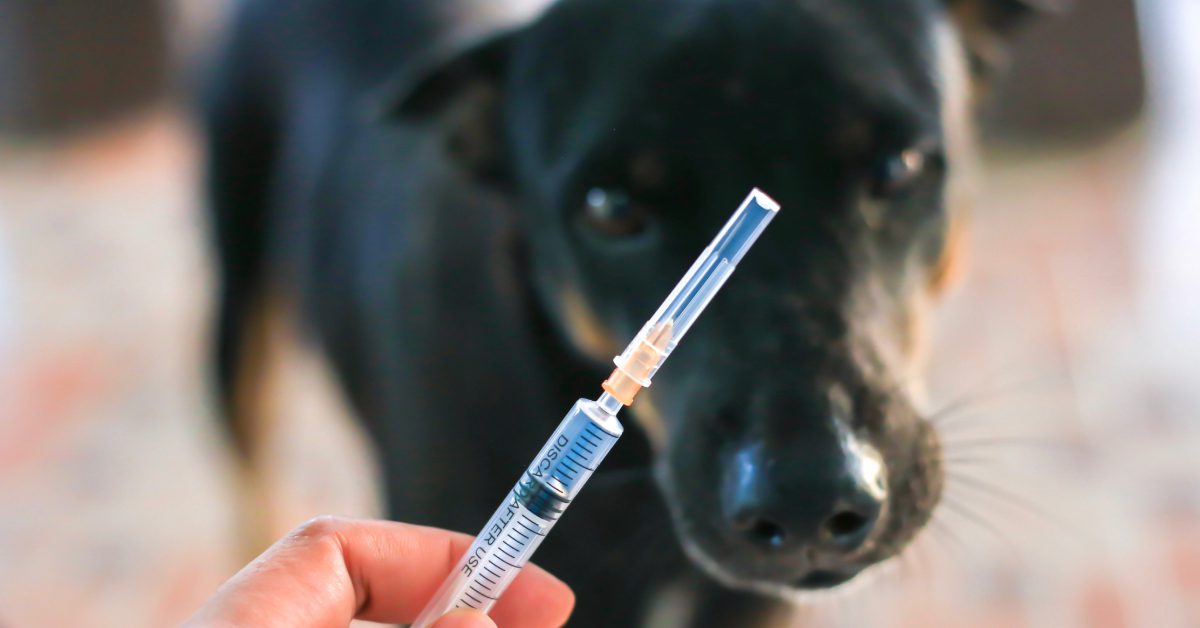
Why Are Dog Vaccinations Important?
Vaccines train a dog’s immune system to recognize a disease before a real exposure happens, which is the foundation of any dog vaccine schedule. Without that early preparation, a dog’s body has to fight an unfamiliar virus or bacteria from scratch, and some of the diseases vaccines target are severe enough that a delayed response can be dangerous.
Protecting More Than Just Your Dog
A consistent dog vaccine schedule protects the broader community as well as your own pet. Rabies, for example, can spread to people, which is part of why it carries a legal requirement in Indiana. Diseases like parvovirus and distemper also spread easily through shared spaces, so a well-vaccinated dog population helps protect puppies and other vulnerable dogs who have not yet completed their series.
Building Long-Term Health Habits
Following a dog vaccine schedule from puppyhood onward also builds a habit of regular veterinary visits, which means health issues unrelated to vaccines are more likely to be caught early. That routine pays off well beyond the vaccines themselves.
What Are the Common Dog Vaccinations?
Every dog vaccine schedule is built around two categories: core vaccines that nearly every dog needs, and non-core vaccines that depend on lifestyle.
Core Vaccines
- Rabies: Required by Indiana law and protects against a fatal, zoonotic virus.
- Distemper, parvovirus, and adenovirus (DHPP/DAPP): Combined into one injection protecting against three serious viral diseases.
- Leptospirosis: Protects against bacteria found in contaminated water and wildlife urine; now considered a core vaccine for most dogs.
Non-Core Vaccines
- Bordetella (kennel cough): Recommended for dogs in daycare, boarding, or grooming settings.
- Canine influenza: Recommended for dogs who socialize in group settings.
- Lyme disease: Recommended for dogs in wooded or tick-prone areas.
Your veterinarian uses your dog’s age, health, and daily routine to decide exactly which non-core vaccines belong on their individual dog vaccine schedule.
Adult Dog Vaccine Schedule
Once a dog completes the puppy series and one-year booster, their dog vaccine schedule settles into a more predictable adult rhythm.
Typical Adult Booster Timing
- Rabies: Often boosted every three years after the initial one-year booster, using an approved vaccine
- DHPP/DAPP: Frequently shifts to a three-year cycle in healthy adult dogs
- Leptospirosis: Generally boosted annually, since immunity tends to fade faster than with some other core vaccines
- Non-core vaccines: Bordetella, canine influenza, and Lyme are typically boosted every year for dogs who remain at risk
Why Annual Visits Still Matter
Even in years without a due core vaccine, an annual wellness visit keeps your dog’s dog vaccine schedule on track and gives your veterinarian a chance to catch up on non-core boosters, review lifestyle changes, and confirm nothing has been missed.
What Diseases Do Dog Vaccines Prevent?
Each vaccine on a dog vaccine schedule targets a specific disease, and understanding what is being prevented makes the schedule feel less abstract.
- Rabies: A fatal virus affecting the nervous system, transmissible to people
- Distemper: A contagious virus attacking the respiratory, digestive, and nervous systems
- Parvovirus: A hardy virus causing severe vomiting and diarrhea, especially dangerous for puppies
- Adenovirus: A virus that can damage the liver, kidneys, and eyes
- Leptospirosis: Bacteria that can cause kidney and liver damage, spread through contaminated water
- Bordetella: A highly contagious cause of kennel cough
- Canine influenza: A flu virus that spreads quickly in group dog settings
- Lyme disease: Bacteria spread by infected ticks, common in wooded areas
Knowing what each vaccine covers helps pet parents understand why their dog’s dog vaccine schedule looks the way it does.
Which Dog Vaccines Does My Pet Need?
Not every dog needs the exact same dog vaccine schedule. Lifestyle, environment, and health history all shape the final plan.
Lifestyle Factors Your Veterinarian Considers
- Whether your dog visits daycare, boarding, or grooming facilities
- Time spent near wooded trails, ponds, or standing water
- Contact with other dogs at parks or training classes
- Travel plans, including out-of-state trips
- Age and any existing health conditions
A Conversation, Not a Checklist
Because these factors vary so much from dog to dog, our team at Kryder & Harr Veterinary Clinic builds each dog vaccine schedule around a conversation with the pet owner rather than a generic form. Bringing prior vaccine records to your visit, even incomplete ones, helps your veterinarian fill in gaps accurately.
Where Are Dogs Vaccinated?
Most dogs complete their dog vaccine schedule at a full-service veterinary clinic, where your veterinarian can pair each vaccine with a physical exam.
Why a Veterinary Clinic Visit Matters
A clinic visit allows your veterinarian to check for signs of illness before vaccinating, since a sick or feverish dog may need to wait. It also means any questions about reactions, timing, or lifestyle-based vaccine choices can be answered on the spot. Kryder & Harr Veterinary Clinic in Granger, IN, handles the full range of puppy, adult, and catch-up vaccines in one visit whenever possible, keeping your dog’s dog vaccine schedule on track without multiple stops.
A Note on Non-Clinic Options
Some pet stores and mobile clinics offer vaccines without a full exam. These can be convenient for a single booster, but they typically do not include the same level of health screening, follow-up care, or ability to adjust your dog’s dog vaccine schedule based on a full history.
How Much Do Dog and Puppy Vaccines Cost?
Vaccine costs vary depending on which shots are due and whether your dog is in the puppy series or an adult booster cycle.
Factors That Affect Cost
- Number of vaccines due at a single visit
- Whether the visit also includes an exam or other wellness services
- Puppy series costs versus single adult boosters
- Additional non-core vaccines added to the schedule
Planning Ahead
Because a full puppy dog vaccine schedule involves several visits, spacing out the cost across a few appointments is normal and expected. Kryder & Harr Veterinary Clinic can walk you through pricing for your dog’s specific plan before your visit, so there are no surprises at checkout. Asking about wellness packages is also worth doing, since some clinics bundle vaccines with other preventive care for better overall value.
Building Your Dog’s Vaccine Plan With Kryder & Harr Veterinary Clinic
A clear dog vaccine schedule takes the guesswork out of pet ownership and gives you a roadmap from your puppy’s first visit through every adult booster after that. Our team at Kryder & Harr Veterinary Clinic in Granger, IN is ready to review your dog’s history, answer your questions, and build a plan that fits their lifestyle and health needs. Whether you are counting down the final puppy shots or managing an adult dog’s ongoing boosters, staying on schedule is one of the simplest ways to protect your dog for years to come. Call us at (574) 277-6533 to schedule your dog’s next vaccine visit, and bring any records you have so we can pick up exactly where things left off.

Recent Posts
About Us
Welcome to Kryder & Harr Veterinary Clinic! Our animal hospital has been a fixture in the Granger community since 1981, practicing full-service veterinary medicine for all our pet parents and their furry family members. At KHVC, we pride ourselves on our history, of providing excellent customer service for our clients, along with dedicated, compassionate, and exceptional medical care for all of our patients.